
Reddy News Technology

Technology

Reddy News technology examines useful AI, science, space and the products changing how people work.

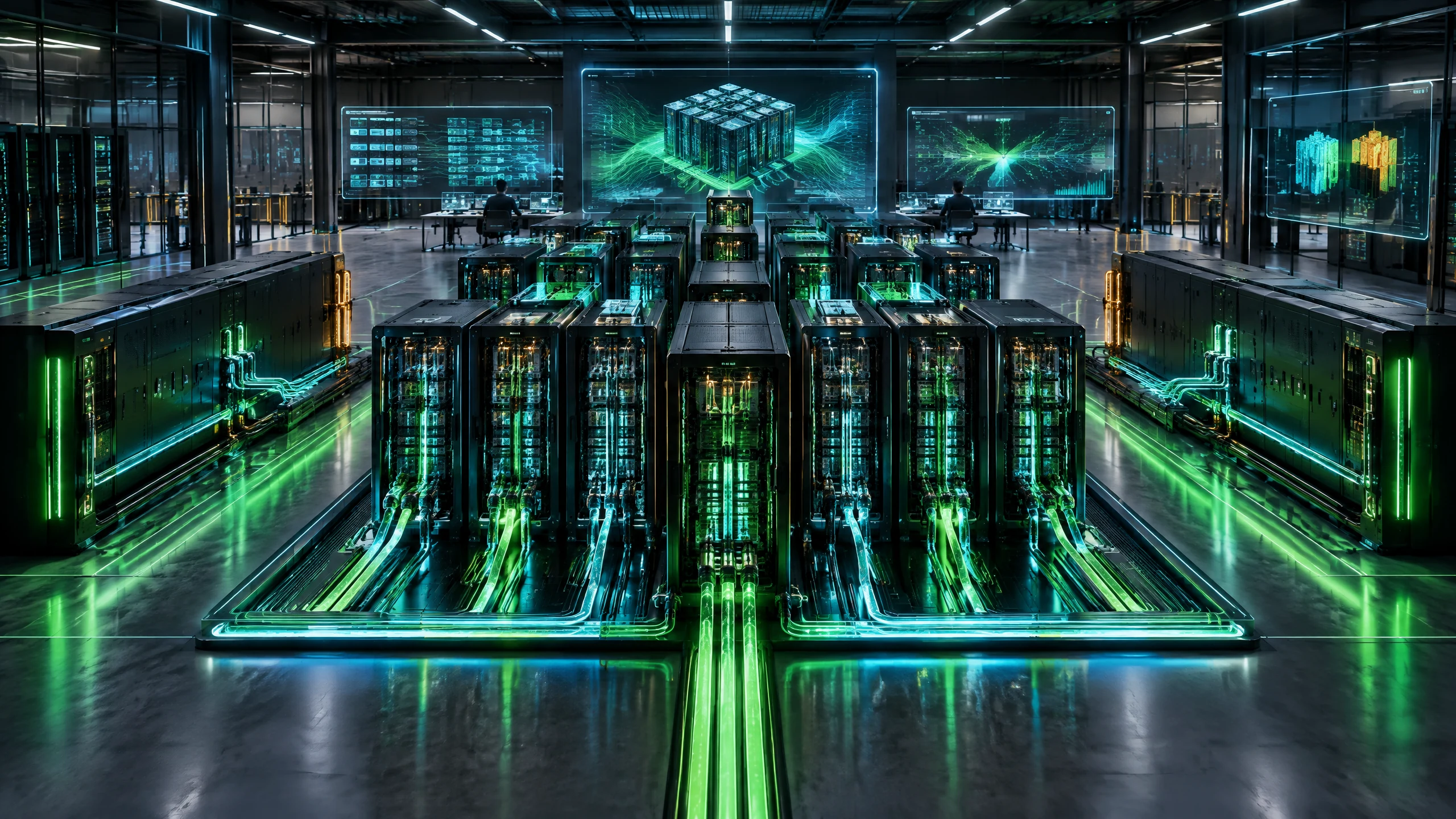
Original editorial illustration of NVIDIA DSX MaxLPS power coordination across liquid-cooled AI server racks in a modern data centre
Technology

NVIDIA DSX MaxLPS: Lambda reports 23% performance-per-watt gain in fixed-power validation

NVIDIA DSX MaxLPS helped Lambda run 19 HGX B200 nodes inside a 16-node power budget, with reported gains of 24% in throughput and 23% per watt.

Latest Technology stories

18 articles

Reader guide

Technology questions, answered

These answers provide context for the practical technology, AI, science, and space stories on this page.

What kind of technology stories will I find on Reddy News Technology?

Reddy News Technology focuses on useful AI, science, space, and products that can change how people work. The coverage looks past novelty to explain what a tool or development does, the choices behind it, and the limits readers should keep in mind. Stories connect technical ideas with practical questions rather than treating innovation as spectacle.

How does the page approach AI in everyday work?

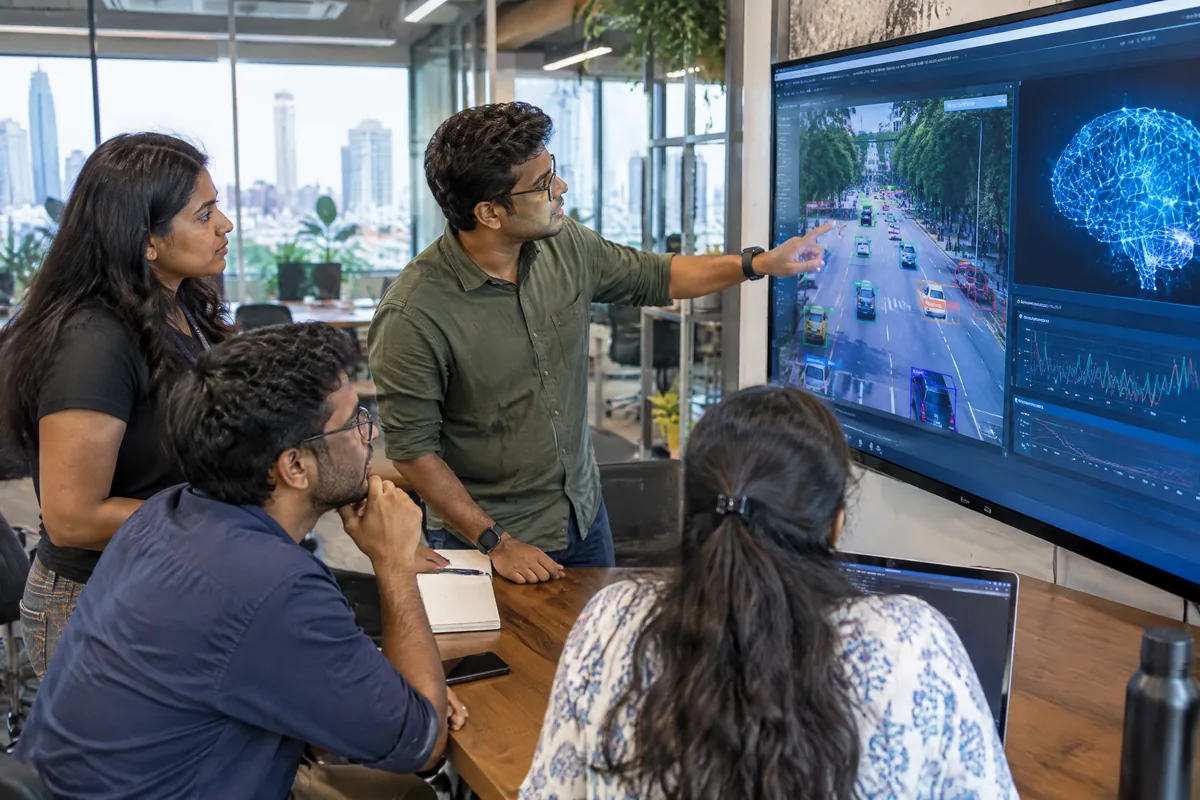
AI coverage starts with concrete, bounded uses, such as organising material or helping compare options, rather than assuming automation can replace judgment. It considers whether a task is repeatable, what a good result should look like, and where people must remain responsible for review. Readers are encouraged to examine outputs for errors, missing context, and bias.

How should readers evaluate claims about a technology product?

When a product is presented as useful or transformative, the important question is how it performs within a real workflow. Look for a defined problem, a clear account of who reviews the result, and evidence from testing against known examples. Claims deserve caution when they rely only on a striking demonstration, ignore limits, or conceal trade-offs around data and permissions.

Why are small satellites important for science?

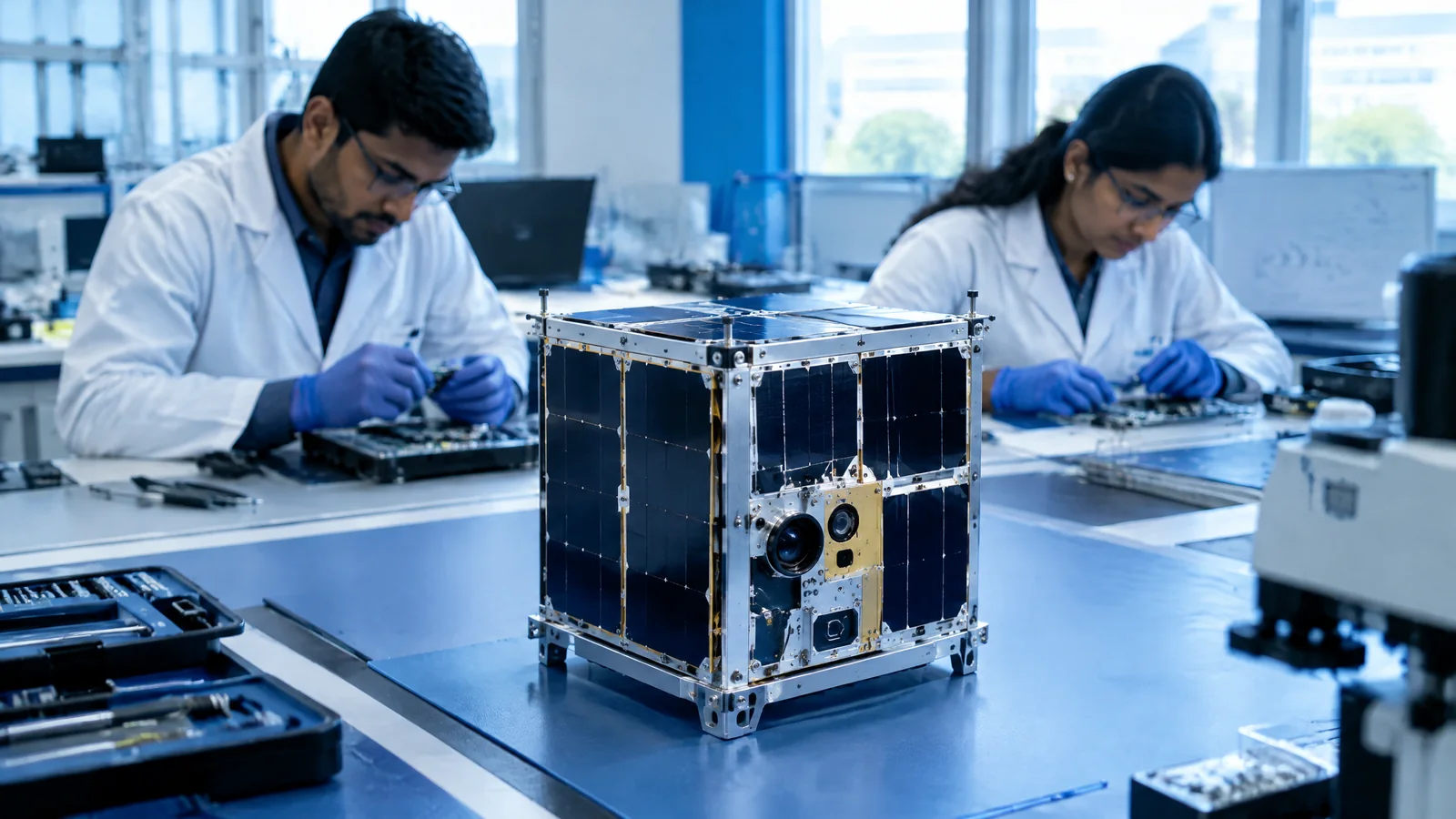
Small satellites, including standardised CubeSats, can give universities, laboratories, and smaller national programmes a more manageable route to orbit. Their focused design can support repeated observations, sensor tests, and other targeted experiments. Lower cost and faster cycles do not make missions simple, however: teams still need rigorous engineering, reliable communications, sound data practices, and transparent limits.

What does evidence mean in technology and space coverage?

Evidence is more than an impressive result or a successful launch. In AI, it includes checking outputs against known examples and recording important decisions. In space research, it means treating in-orbit data as a way to test designs, identify calibration problems, and distinguish experimental results from operational assumptions. The aim is to make uncertainty and constraints part of the explanation.