
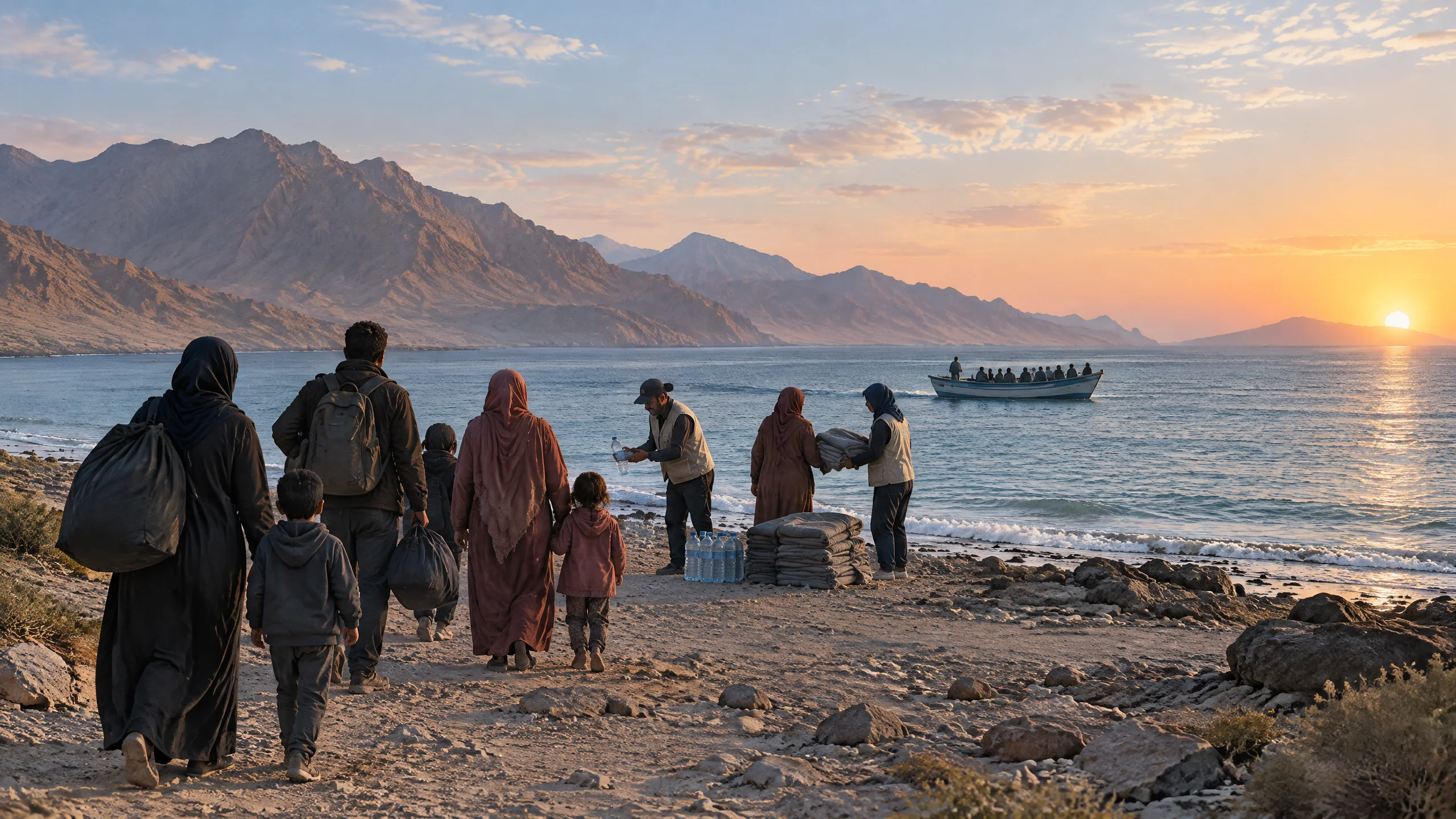
IOM says Yemen displacement has topped 85,000 as more than 2,000 flee to Djibouti
IOM’s latest Yemen displacement update records 85,818 people displaced, including 82,164 this month, while more than 2,000 have reached Djibouti.
Reddy News World
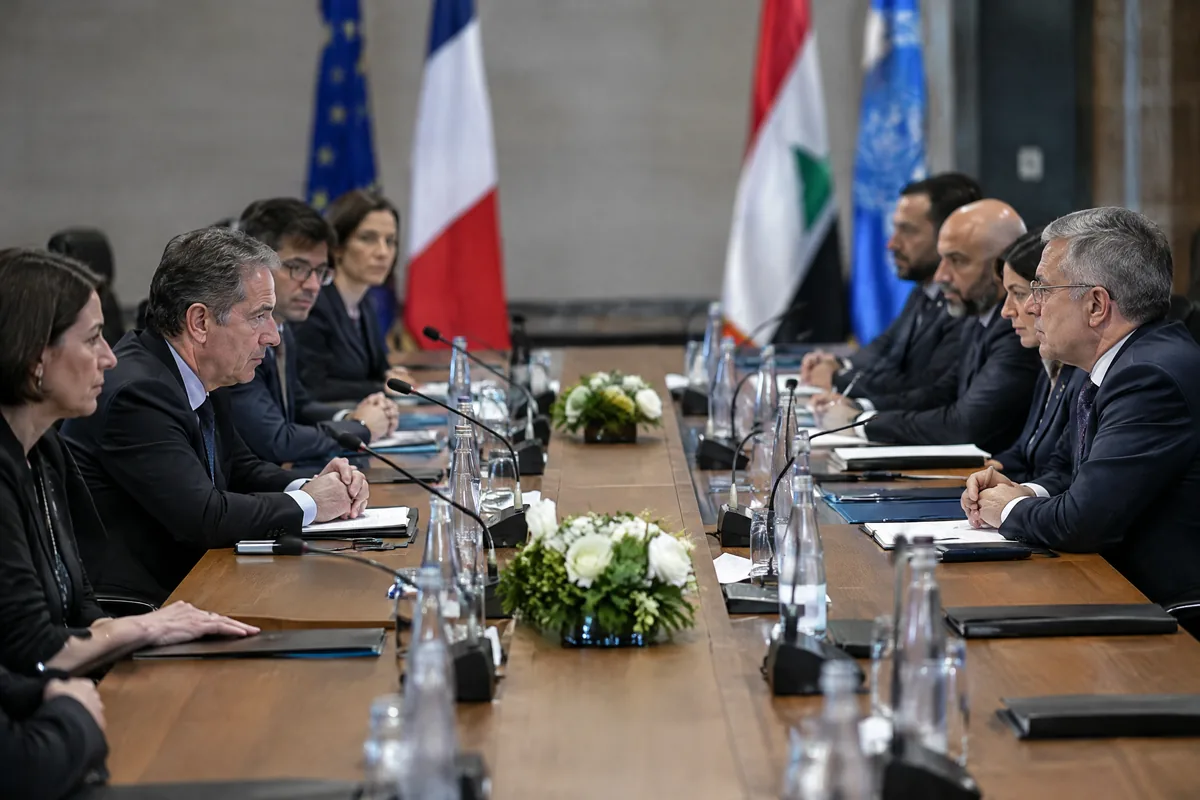
Reddy News world coverage adds context to diplomacy, global cities and international change.
A US federal court has postponed DHS’s fixed-duration admission rule nationwide, keeping duration of status in place for now for F, J and I categories.
IOM’s latest Yemen displacement update records 85,818 people displaced, including 82,164 this month, while more than 2,000 have reached Djibouti.
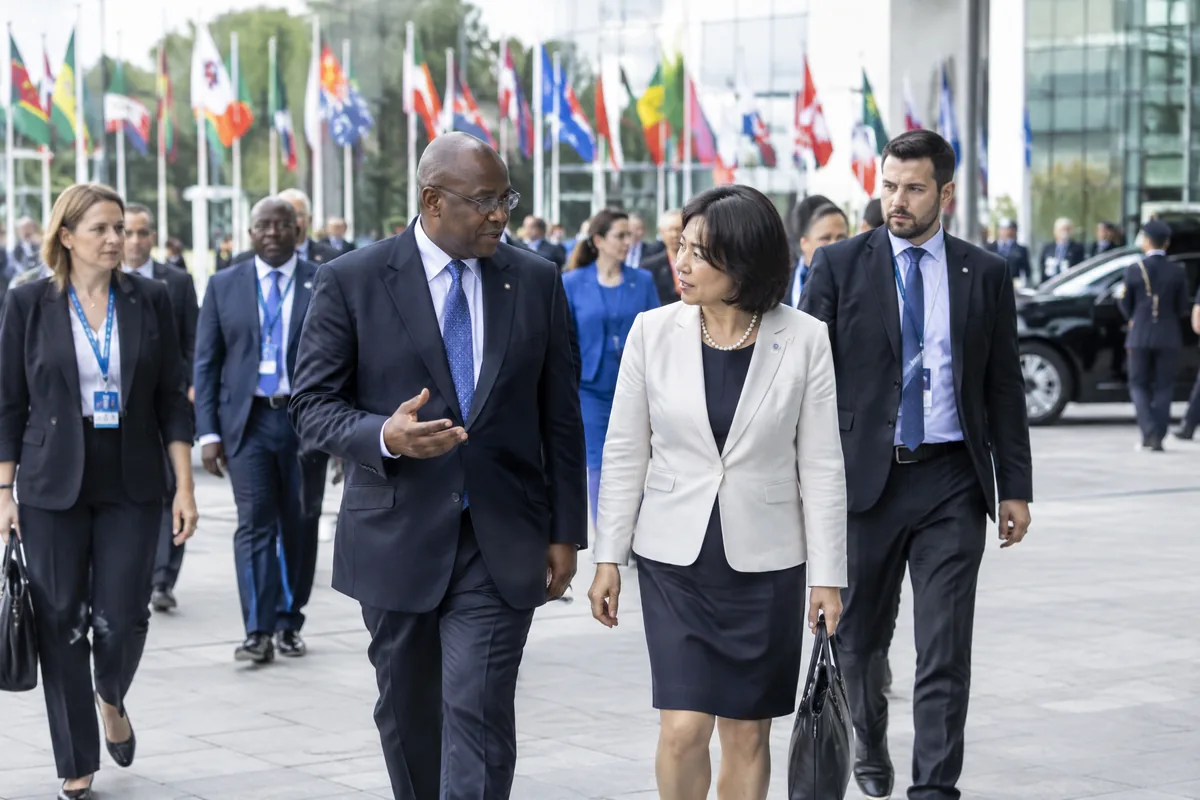
When international tensions climb, patience is not passivity. It is a practical diplomatic tool for preventing miscalculation, preserving communication, and creating space for durable solutions.
From safer crossings to cooler sidewalks, cities are rethinking streets as shared public spaces rather than conduits for traffic alone.
Reader guide
Explore clear, grounded answers to the international stories, diplomacy and urban changes covered on Reddy News World.
Reddy News World focuses on the context behind international change, with articles on diplomacy and the ways global cities shape daily life. Rather than treating events as isolated moments, the coverage looks at the choices, trade-offs and practical effects that help readers understand why an issue matters beyond its first headline.
Patience in diplomacy is not the same as doing nothing. It can give governments time to clarify interests, check evidence, consult allies and test proposals without locking themselves into public rhetoric. Communication also helps distinguish deliberate signals from mistakes. Clear boundaries still matter, but keeping dialogue open can reduce miscalculation and preserve room for a more durable outcome.
Useful coverage asks how a street works for everyday life, not only for cars. Look for attention to crossings, footpaths, cycling, public transport, deliveries, shade and drainage, as well as the people affected by a change. The key question is whether different users can share limited space predictably and whether a project is maintained after construction.
An explainer slows down the rush to treat each statement or meeting as a final victory or defeat. It can separate essential interests from symbolic demands, identify the decisions and constraints involved, and make uncertainty visible. That gives readers a clearer way to assess developments without assuming one dramatic headline settles a complex issue.
Both subjects involve choices that have real effects on people. A street redesign may change access for residents, shops and emergency services; a diplomatic step may influence security, humanitarian conditions or regional stability. Considering those trade-offs makes it easier to move beyond slogans and judge whether a proposal is workable, fair and likely to last.