Practical AI is moving from demos into everyday work
AI is moving beyond flashy demonstrations into routine workplace tasks, making careful workflow design, human review, and practical safeguards more important than novelty.
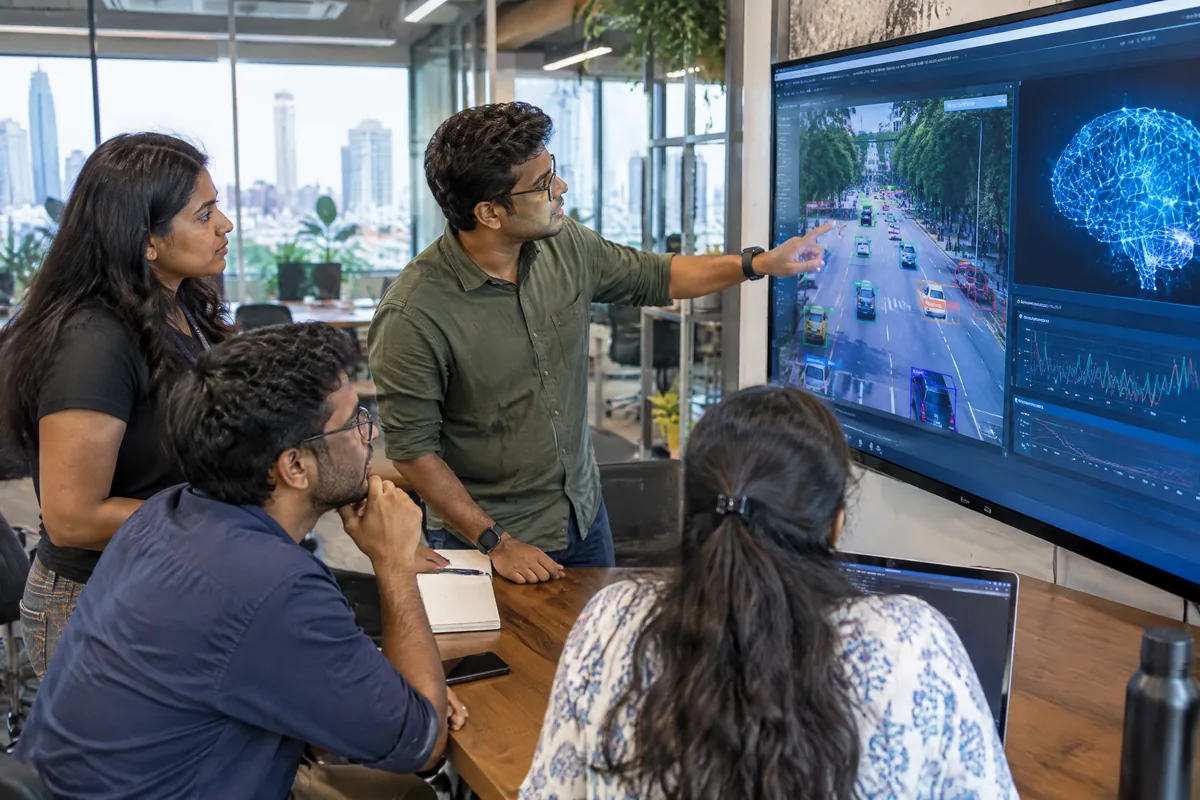
- Start with bounded, repeatable tasks.
- Keep human review visible and accountable.
- Measure reliable workflow improvements, not demo appeal.
From spectacle to utility
Artificial intelligence is becoming less about spectacular demonstrations and more about ordinary tasks: turning meeting notes into a draft, finding a pattern in a spreadsheet, or helping a team compare options. The change is easy to miss because it often appears inside familiar software, where usefulness matters more than novelty and the tool quietly saves time.
The practical shift also changes what organisations should ask of AI. Instead of chasing the most impressive model, managers need to identify repeatable bottlenecks, define what a good result looks like, and decide where human review is essential. A modest assistant that works reliably within a team can create more value than a dazzling experiment no one adopts.
Keeping people in the loop
Everyday adoption starts with bounded work. A researcher might ask AI to organise a long document before checking the source material; a support team might use it to suggest responses while keeping a person responsible for tone and accuracy. These uses are useful precisely because the task, context, and final decision remain visible.
That visibility matters because AI systems can produce confident errors, miss context, or repeat a bias present in their training data. Good practice is therefore less about trusting or rejecting the technology outright. It means testing outputs against known examples, limiting access to sensitive information, recording important decisions, and giving staff a clear route to report problems.
The work behind useful AI
The next phase will be measured by workflow design, not simply by model capability. Companies will need shared rules for data, permissions, review, and retention, alongside training that explains both the strengths and limits of automated assistance. Small pilots can reveal where a tool genuinely helps, where it adds friction, and which safeguards deserve to become standard.
For workers, practical AI is best understood as a new layer of collaboration rather than an automatic replacement for judgment. The advantage will go to people who can frame a problem clearly, interrogate an answer, and improve the process around it. That is a more durable lesson than any single product demo: useful AI earns its place through dependable work.