Small satellites are changing how research reaches orbit
Smaller, cheaper satellites are opening orbital research to more institutions, while forcing scientists to rethink mission design, data access and long-term reliability.
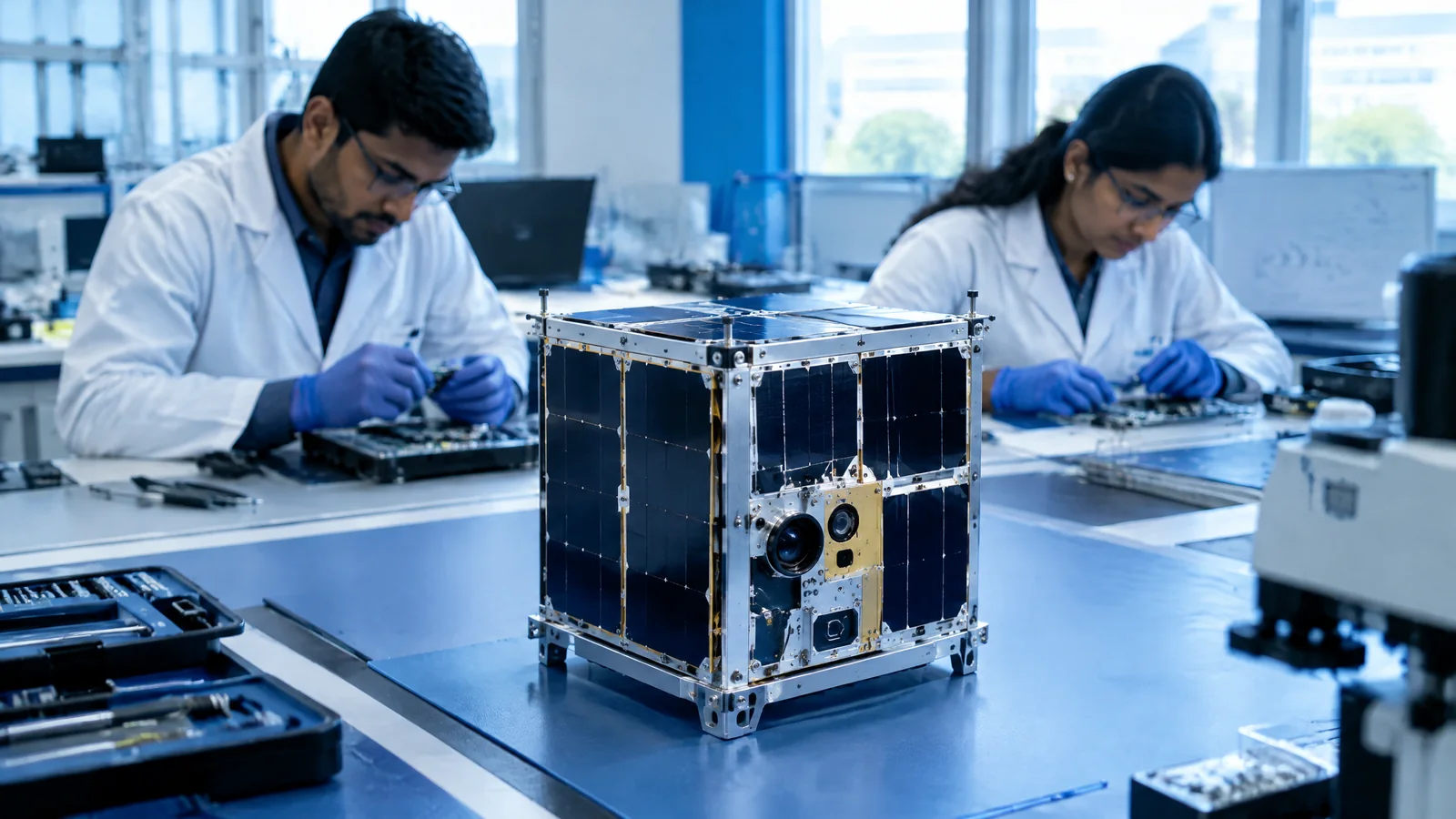
- Standardised small satellites are widening access to orbital research.
- Focused missions can deliver faster feedback and repeated observations.
- Lower cost does not remove the need for rigorous engineering and data practices.
A lower barrier to orbit
For decades, space research was shaped by the scale of the spacecraft it required. Large satellites can carry powerful instruments, but they also demand long development cycles, complex launches and budgets that limit participation. Small satellites, including CubeSats built from standardised units, have changed that equation by giving universities, laboratories and smaller national programmes a more manageable route to orbit.
The advantage is not simply that these spacecraft cost less. Their compact design can shorten testing and allow teams to learn through several modest missions instead of staking everything on one expensive vehicle. Standard components and rideshare launches have also made access more flexible, although teams still face serious work in systems engineering, licensing, communications and mission operations.
More experiments, closer feedback
Small satellites are particularly useful when a research question benefits from frequent updates or a focused instrument. A mission might observe changes in Earth’s atmosphere, test a sensor, study radio signals or demonstrate a new computing system. Because the spacecraft is narrowly designed, researchers can move from laboratory prototype to in-orbit evidence without waiting for every possible capability to be included.
That speed brings a different research rhythm. Data can reveal weaknesses in a design, expose calibration problems or suggest a follow-up mission while the team still has relevant expertise. Constellations of small spacecraft can add repeated observations across locations and times, but their value depends on disciplined data standards, reliable ground links and careful separation of experimental results from operational assumptions.
Small does not mean simple
The new accessibility should not be confused with low risk. A small satellite still has to survive launch, manage power, control its orientation, communicate through limited bandwidth and operate in a harsh radiation environment. A failure may come from a single component with no backup. Teams must therefore make difficult choices about redundancy, software updates, cybersecurity and which measurements matter most.
The broader impact will depend on what happens after launch. Open data policies, shared ground infrastructure and training can help turn individual missions into a research ecosystem rather than isolated demonstrations. As launch opportunities grow, the strongest programmes will be those that combine affordable hardware with rigorous validation, transparent limitations and a clear plan for using the results on Earth.