Reddy people on Wikipedia: politics, cricket, cinema, science and more
A 2026 census grouped 648 Wikipedia biography targets by field, while a stricter current-title subset found 621 people with Reddy or Reddi in the title.

- The reproducible title-query census contains 648 English-Wikipedia biographies linked to Wikidata items whose instance of (P31) includes human (Q5).
- Politics is the largest assigned field with 371 biographies, followed by cinema and media with 74; the nine field totals add exactly to 648.
- The field labels use Wikidata occupation and description fields. They are not a finding about every person's identity, community membership or self-description.
- This is a time-stamped view of English Wikipedia and Wikidata coverage, not a population count or a measure of a field's importance beyond the dataset.
- A stricter literal-current-title subset contains 621 biographies; title search also returns pages through redirects, which is why the broader biography target count is 648.
What this 648-person census measures
This is a reproducible, time-stamped census of English-Wikipedia page targets, retrieved on 11 September 2026. The MediaWiki title queries intitle:Reddy and intitle:Reddi reported 1,038 and 37 hits. After the returned targets were deduplicated, the corpus contained 1,053 pages; Wikidata identified 648 as humans and 405 as non-person topics. A stricter subset contained 754 current titles with the standalone word Reddy or Reddi, including 621 biographies.
The phrase “Reddy people” in this article is a practical label for the title-query result set, not an identity verdict. The field grouping comes from Wikidata occupation (P106) and description fields rather than a claim about every person's identity, community membership or self-description. A name in a page title and a structured-data classification are useful research signals, but they are not substitutes for how an individual identifies.
The field counts, in full
All 648 biographies were assigned one primary field for this overview. The counts are: politics 371; cinema and media 74; other or unclassified 38; arts and literature 33; science, medicine and education 30; cricket 29; other sports 25; law, administration and military 25; and business 23. Those nine figures add exactly to 648.
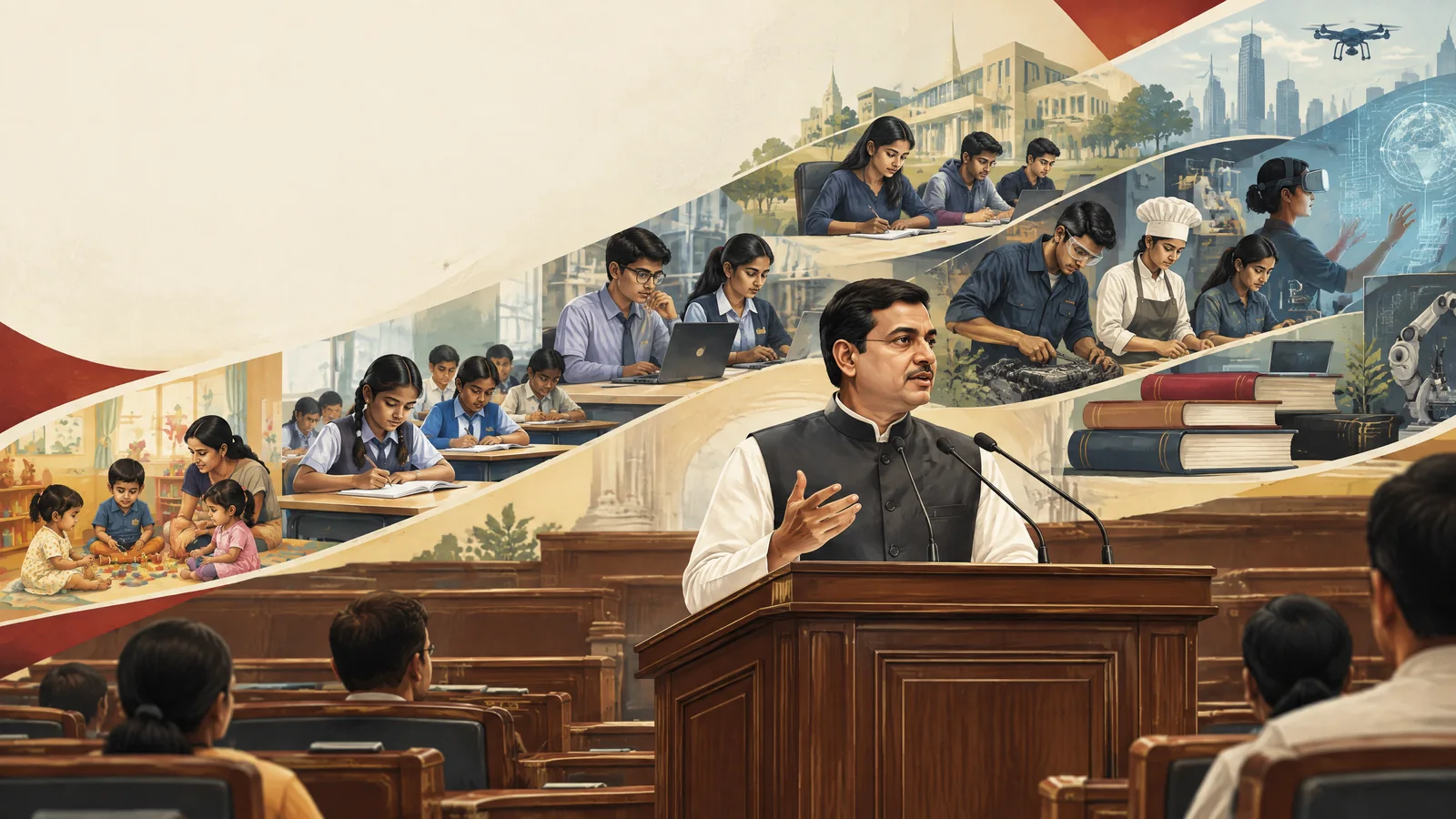
Politics is therefore the largest category in this particular corpus, not a conclusion about any wider population. The remaining 277 biographies are spread across eight other categories. Keeping the full distribution visible matters: it shows a dataset that includes public office alongside film, journalism, writing, education, medicine, cricket, other sports, law, administration, military service, business and records that did not fit a more specific field.
Politics, cinema and the arts are distinct parts of the record
The 371 politics entries should be read as classified biographies, not as a single story about public life. For example, the supplied census row for A. P. Jithender Reddy carries the description “Indian politician” and the occupation “politician.” It is a transparent illustration of why that row sits in the politics group; it does not establish anything about people who are not in the title-query census.
Cinema and media accounts for 74 biographies, while arts and literature accounts for 33. The supplied rows include A. Kodandarami Reddy, described as an Indian film director, and B. Nagi Reddi, whose listed occupations are film director and film producer. Gona Budda Reddy appears in arts and literature with poet, ruler and writer among the listed occupations. These are representative records from the CSV, rather than a ranked list of achievement or a claim that a field belongs to any one group.
Cricket is one part of a broader sports picture
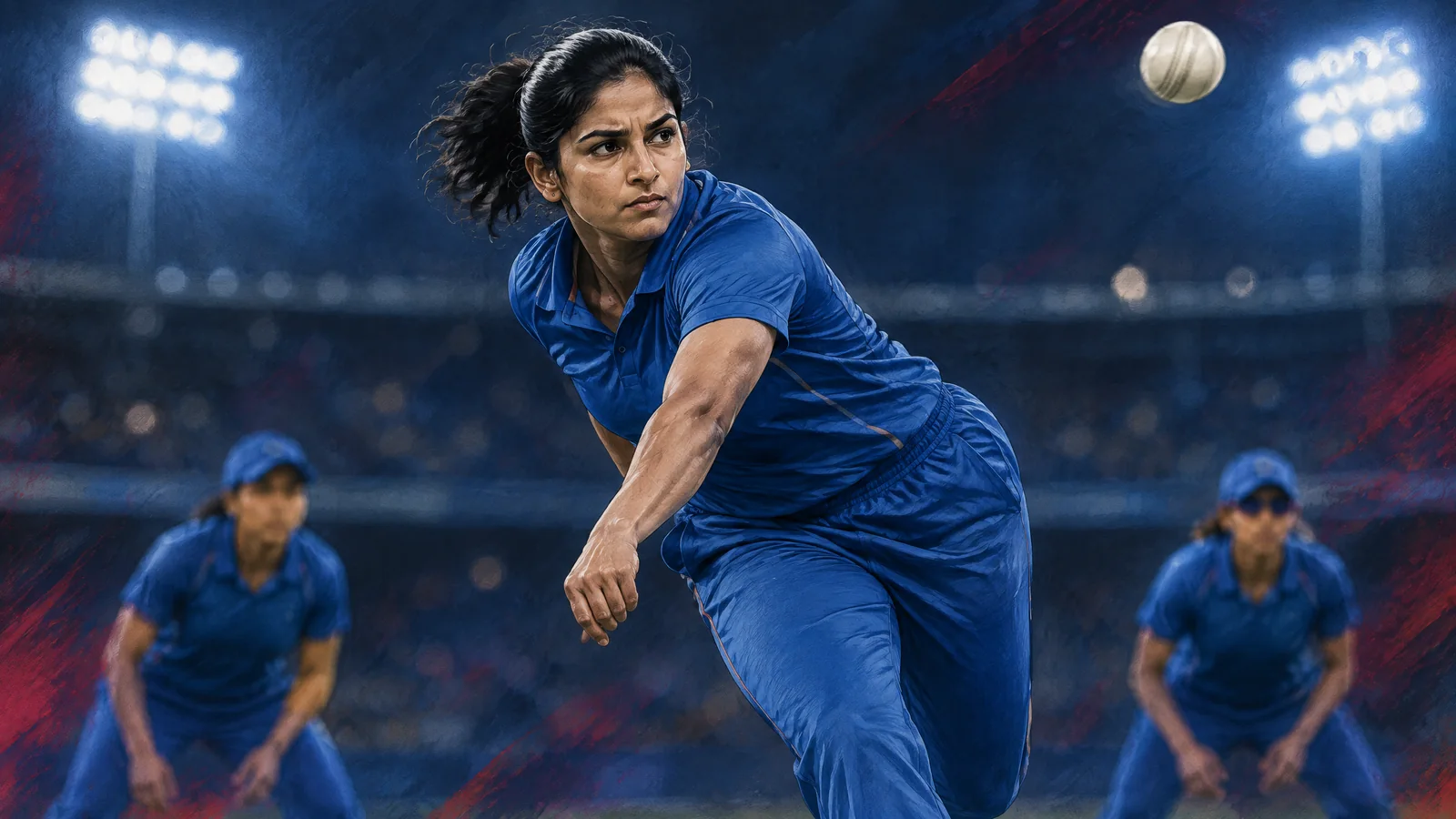
Cricket contributes 29 biographies and other sports contributes 25. The distinction is deliberate: cricket is reported separately in the source summary, while the other-sports total collects the remaining sports classifications. Together, those two groups account for 54 of the 648 biographies in the title-query census.
Arundhati Reddy is one of the cricket records in the supplied CSV, where her description is “Indian woman cricketer” and her occupation is listed as cricketer. B. Sumeeth Reddy is in other sports, with badminton player as the listed occupation. These examples show how the grouping follows the available Wikidata description and occupation data; they do not turn a database category into a statement about an individual's identity.
Science, law, business and the entries that resist a neat label
Science, medicine and education contains 30 biographies; law, administration and military contains 25; business contains 23; and other or unclassified contains 38. The latter label is important because it preserves uncertainty instead of forcing every available record into a narrow profession. It is a reporting category in this census, not a judgement about the people it contains.
The local CSV provides concrete examples of the range: D. Nageshwar Reddy is described there as an Indian gastroenterologist; B. P. Jeevan Reddy as a former judge of the Supreme Court of India; and B. V. R. Mohan Reddy as an Indian businessman. Each appears under the field implied by the relevant Wikidata description and occupation data. The figures describe the classification system and its source records, not a comprehensive account of anyone's career.
Why Wikipedia coverage creates selection bias
A Wikipedia-title census is necessarily selective. A person can only enter this dataset if a main-namespace English-Wikipedia page is returned by the title search, is linked to a Wikidata item and is identified there as human. People without a qualifying page, a direct-title match or the required structured-data link are outside the count. The census therefore describes documented, searchable coverage rather than all people who might share a name, ancestry or community connection.
The difference between broad and direct searching makes that limitation visible. The same run reported 24,298 broad full-text hits for Reddy, but broad results include incidental mentions. Restricting the analysis to downloaded, deduplicated title-query target pages makes the 648-person result auditable, while also making its selection rule explicit. Wikipedia and Wikidata change over time, so these totals should be cited with their retrieval date and never presented as permanent or exhaustive.
Reader guide
Article questions, answered
Short answers to common reader questions based on the reporting above.
What exactly was counted in the 648 biographies?
The count covers title-query English-Wikipedia pages returned by intitle:Reddy or intitle:Reddi, after deduplication, that link to a Wikidata entity whose instance of (P31) includes human (Q5). It does not count every Wikipedia mention of the word or every person with a possible connection to the name.
Do the results prove that every listed person identifies as Reddy?
No. The title search and Wikidata record are a method for building an auditable page census. The article's field groups use Wikidata occupation and description data, not a finding about each person's identity, ancestry, community membership or self-description.
Why are there 371 politics biographies?
There are 371 because that is the number of people in the title-query human-biography corpus assigned to politics by the supplied classification. It means politics is the largest category in this Wikipedia-and-Wikidata dataset; it does not explain why the pages exist or measure any wider population.
Why are cricket and other sports reported separately?
The research summary assigns cricket its own field, with 29 biographies, and groups remaining sports entries under other sports, with 25. Reporting both preserves the source classification instead of merging two distinct published totals.
Why should the totals be treated as a snapshot?
Wikipedia pages, search results and Wikidata statements can change. The cited figures come from a reproducible retrieval on 11 September 2026, so they are best read as a dated record of title-query English-Wikipedia coverage rather than a permanent total.
Sources and further reading
These references support the factual context used in this article. Links open the original publisher.
- Reddy Wikipedia people census (local CSV)Reddy News research · accessed 11 September 2026
- Reddy Wikipedia research source notesReddy News research · accessed 11 September 2026
- API:SearchMediaWiki · accessed 11 September 2026
- Wikidata: Data accessWikidata · accessed 11 September 2026