
Cricket
IPL Scorecard Analysis: Read Powerplay, Run Rate and Wickets
IPL scorecard analysis explains powerplay scores, required run rate, wickets, partnerships and phase-by-phase match pressure.
Independent Reddy News Cricket Desk
Cricket analysis explains a match through game state, pitch and weather, innings phases, field settings, batting intent, bowling matchups and execution. This independent Reddy News page uses scorecards, replay evidence and clearly labelled reporting.

India Women batted first against Sri Lanka in the Asian Games 2026 final. Follow the verified live-score snapshot, scorecard context and match analysis.
IPL scorecard analysis explains powerplay scores, required run rate, wickets, partnerships and phase-by-phase match pressure.
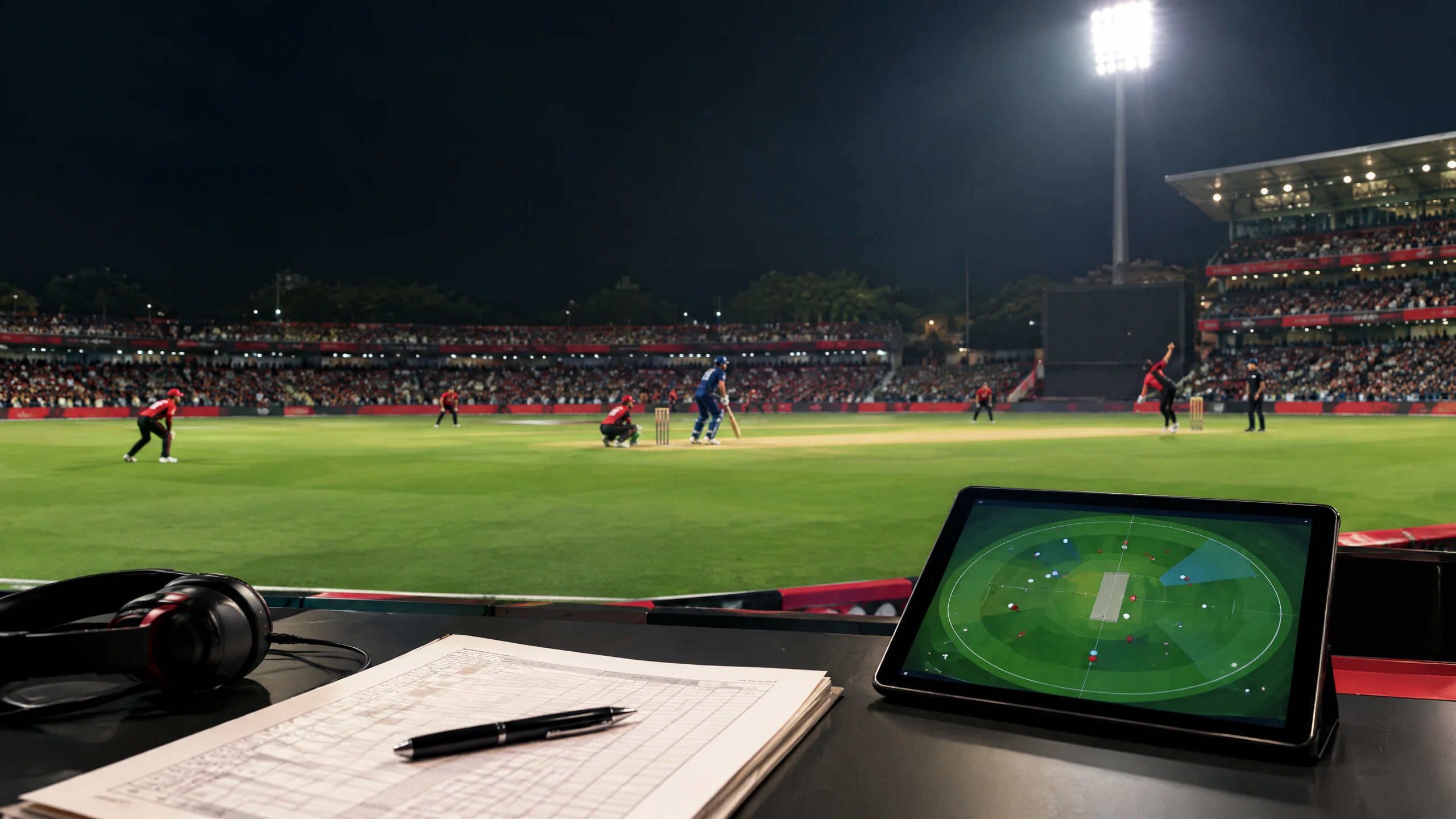
IPL match analysis explains powerplay intent, middle-over control, death-over execution, Impact Player choices and the decisions behind an IPL result.
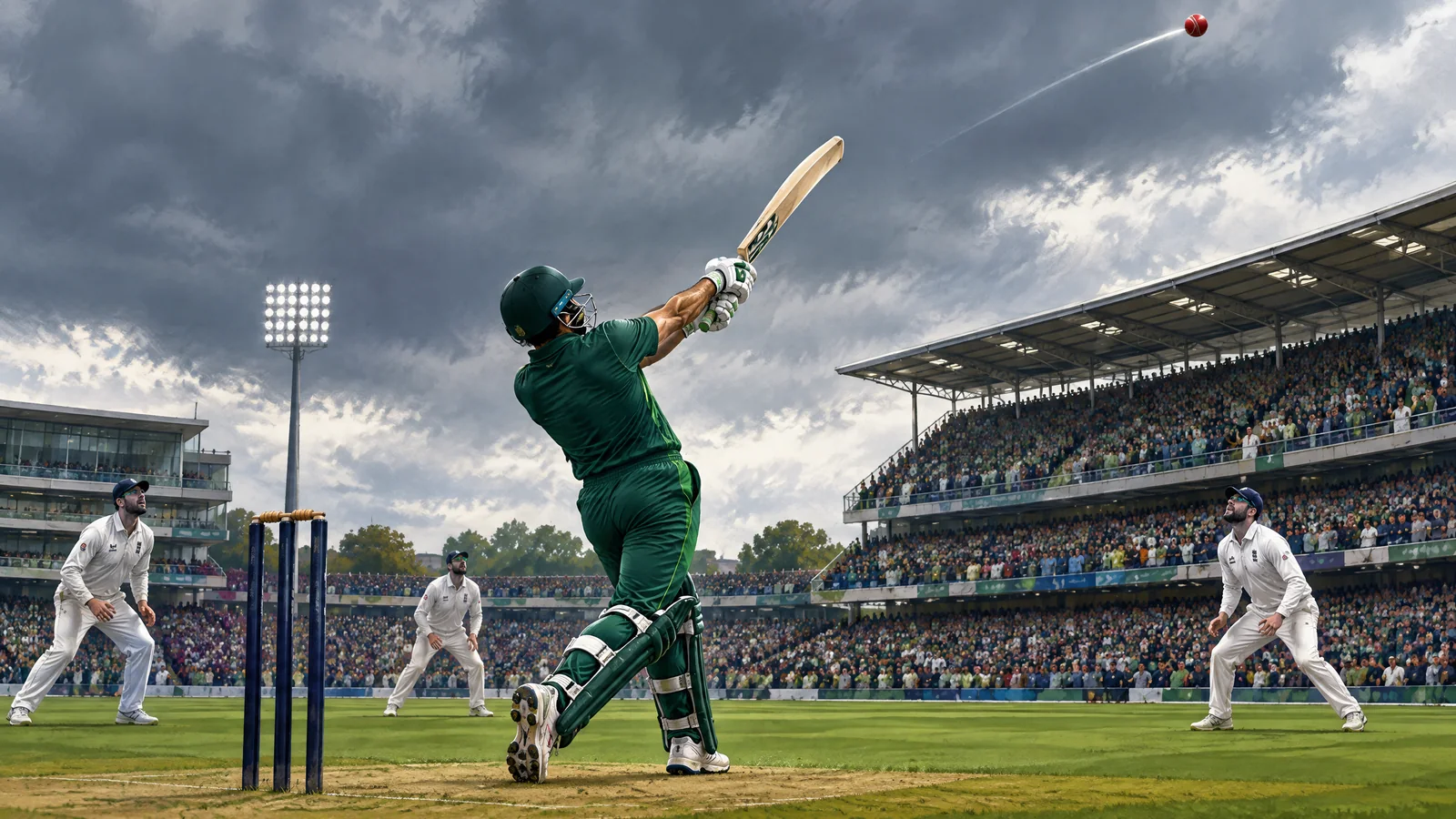
Pakistan overturned a 320-run first-innings deficit at Edgbaston, with debutant Razaullah’s 81 from 63 balls and a 121-run ninth-wicket stand leaving England 130 to win.

India’s 40-run win over Bangladesh and Sri Lanka’s four-wicket chase against Pakistan have confirmed the 13 September Women’s Asia Cup final in Dubai.
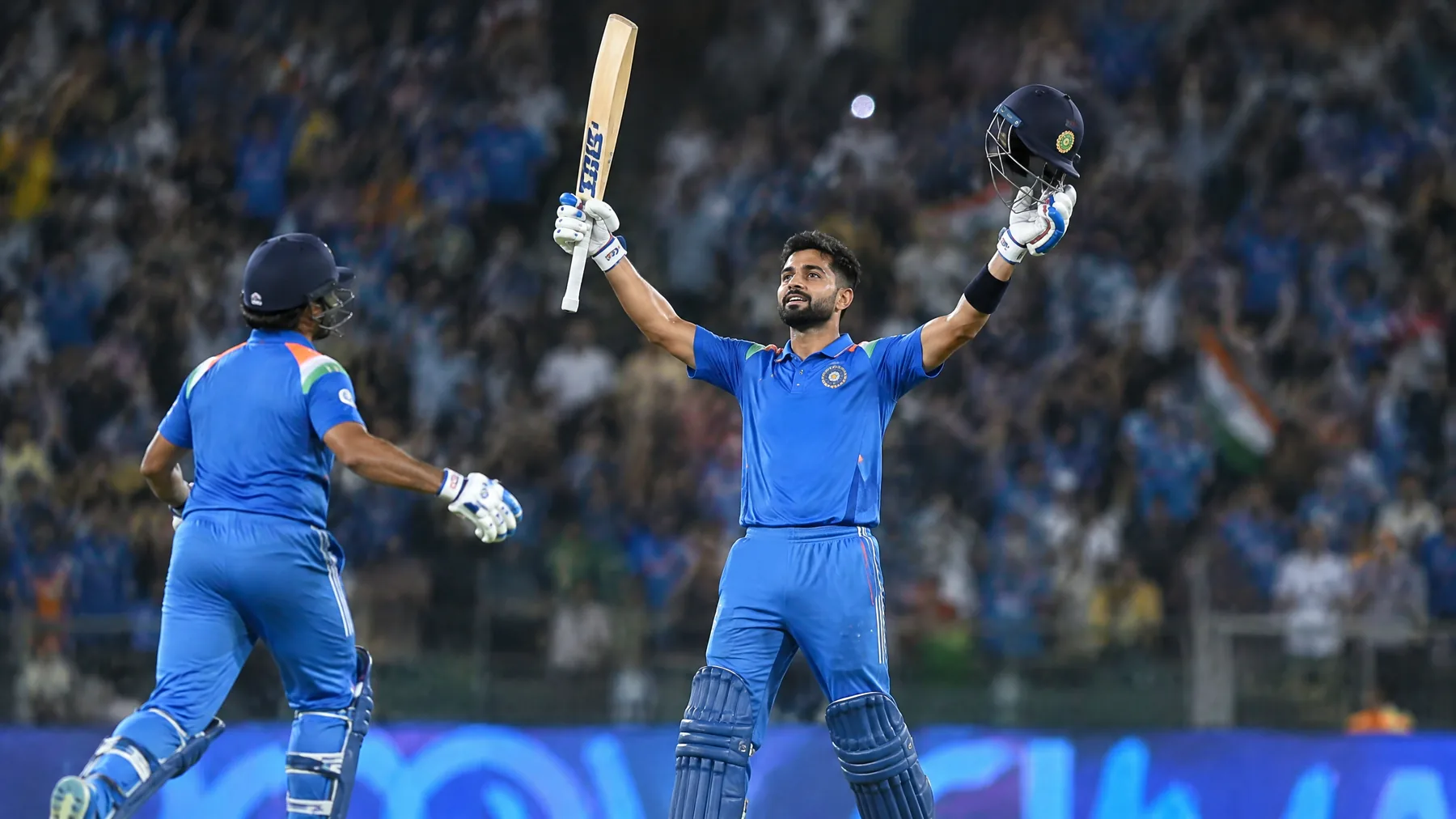
Cricket match analysis is most useful when it explains the choices behind a result, not merely the final score. This evergreen guide shows how to assess game state, phases, fields, bowling and batting plans, pressure, and replay evidence—from the opening spell to a decisive final over.
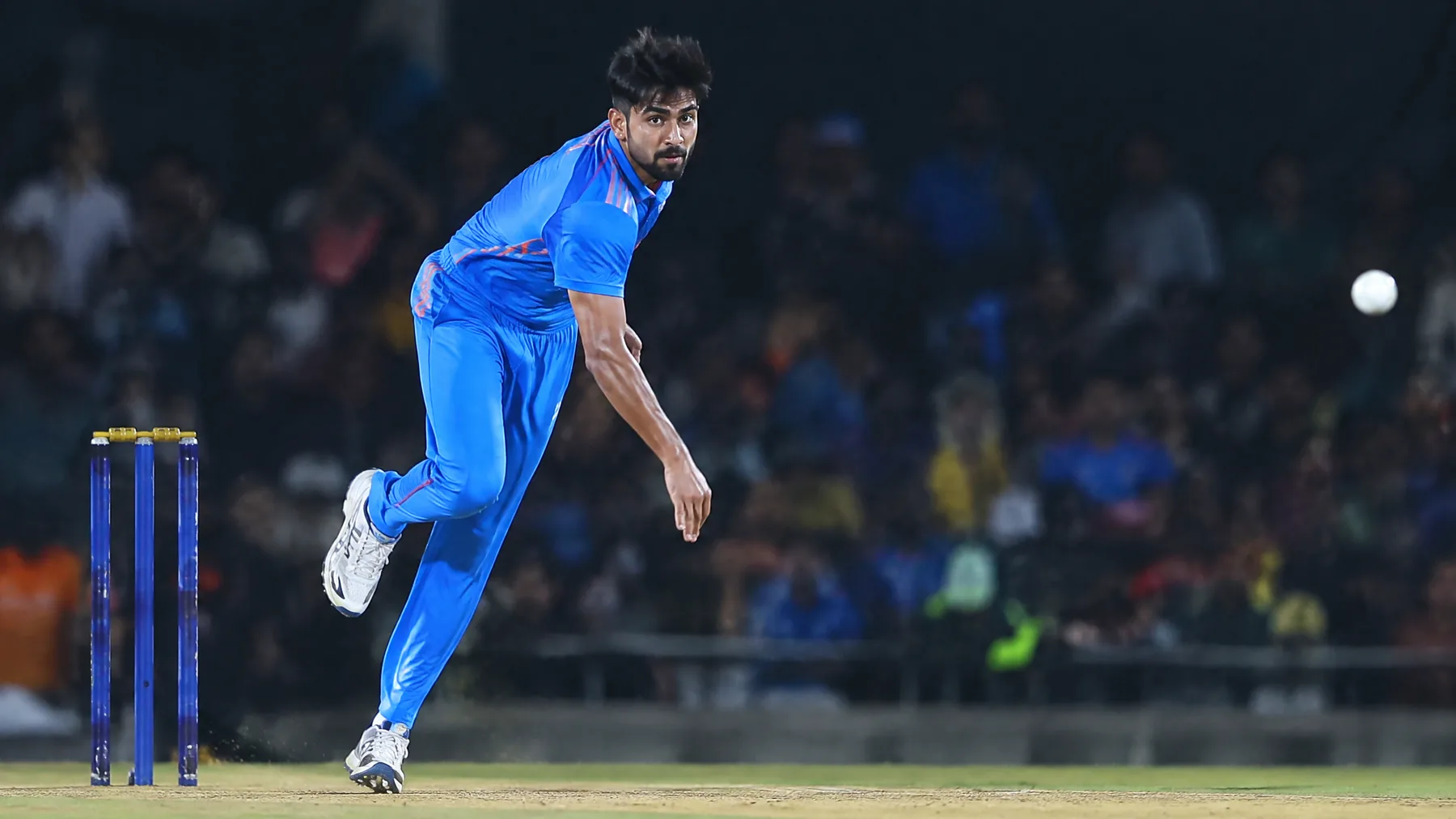
Why fast bowlers change their lengths, fields and release plans when a cricket match moves into the evening—and how batters can respond.
Reader guide
Use this guide to understand how cricket analysis reads match situations, tactics, scorecards and turning points with evidence and appropriate uncertainty.
Cricket analysis explains how a match developed by connecting the scorecard with game state, innings phases, pitch and weather, field placements, batting intent, bowling matchups and execution. The aim is to explain decisions and turning points with evidence rather than judge the contest only by its final result.
A turning point is tested against the situation before it happened. The analysis checks the score, required rate or lead, wickets available, player roles, conditions and remaining bowling resources. It then asks whether the decision was sound and whether the players executed it. A dramatic boundary or wicket matters, but it is not automatically the only reason a match changed.
Start with the match format and game state, then read runs alongside balls faced, wickets, partnerships, dot balls and the phase of the innings. Bowling figures need the same context: overs, economy, wickets, matchups and when each spell was used. The scorecard records events; useful analysis explains how those events fit the tactical plan.
Pitch pace, bounce, movement, light, wind and moisture affect which plans are realistic. Field settings then show what a captain and bowler may be trying to protect, invite or create. Good analysis reads those clues beside the batter, target and match phase, while acknowledging when available evidence cannot prove every detail.
No. Analysis can explain tactics, performance and match context, but uncertainty remains part of sport. Conditions change, players adapt and small moments can reshape a contest, so no tactical explanation can promise a future result.