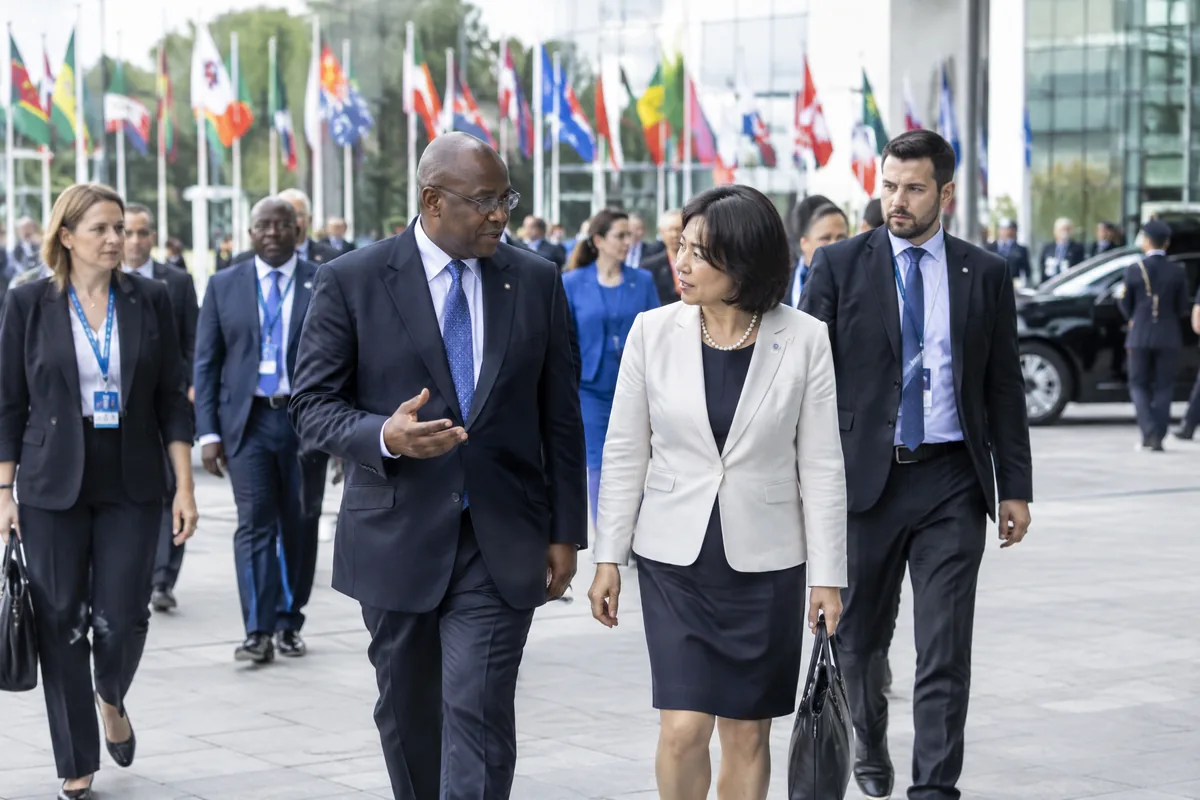
Why patient diplomacy matters when tensions rise
When international tensions climb, patience is not passivity. It is a practical diplomatic tool for preventing miscalculation, preserving communication, and creating space for durable solutions.
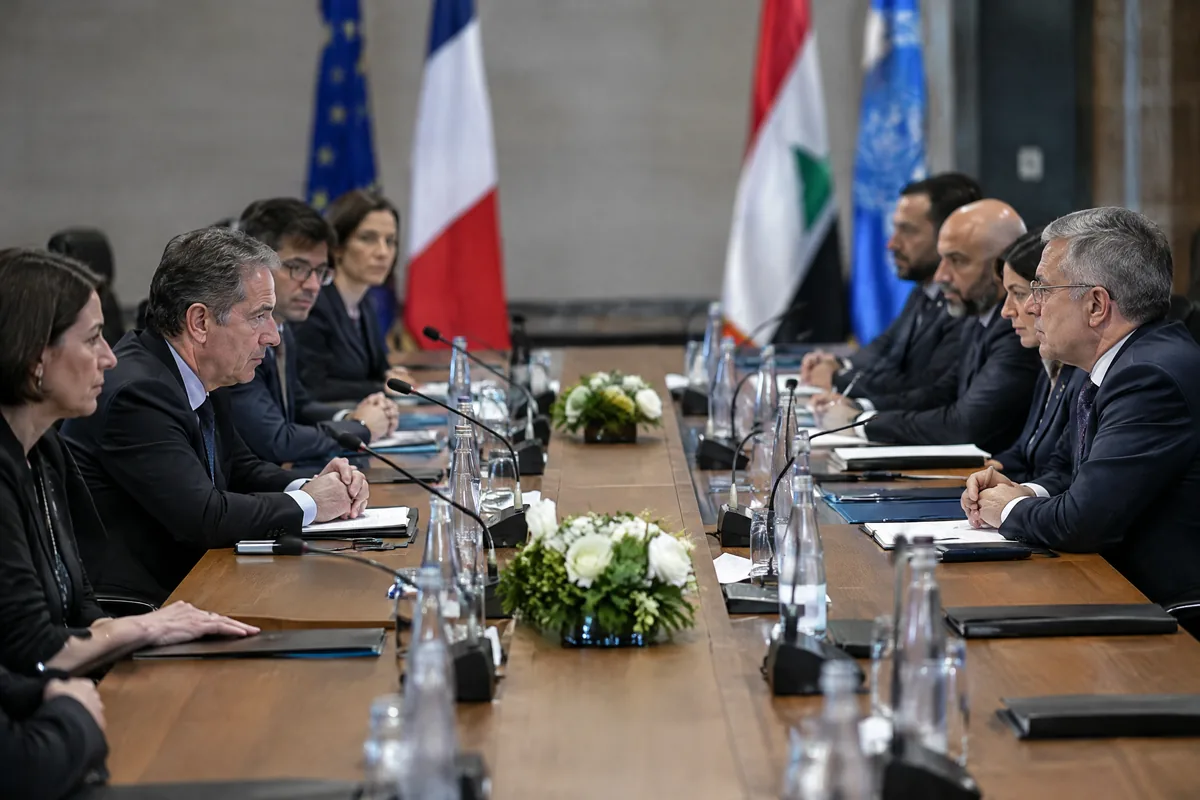
- Patience reduces the risk of miscalculation and escalation.
- Communication helps governments test proposals without public posturing.
- Durable diplomacy combines clear boundaries with room for reciprocal movement.
Patience is a form of strategic clarity
When relations between states deteriorate, public pressure often rewards visible toughness. Yet diplomacy is rarely a contest over who can issue the sharpest statement. Patient diplomacy creates room for governments to clarify interests, test proposals, and reduce miscalculation before a dispute hardens into a crisis. Its central advantage is time used deliberately, not delay for its own sake.
That approach does not require countries to surrender principles or ignore genuine security concerns. It means separating essential interests from symbolic demands, then choosing language and channels that keep a future agreement possible. Quiet contacts, carefully framed messages, and pauses for verification can prevent leaders from being trapped by rhetoric they used only to reassure audiences at home.
Communication keeps options open
In tense moments, even limited communication can be valuable. Diplomatic channels help officials distinguish an intentional signal from an accident, understand what the other side can realistically accept, and pass warnings without turning every exchange into a public test. Back-channel discussions are not substitutes for accountability, but they can lower the temperature while formal positions remain far apart.
Patience also improves the quality of decisions. Time allows governments to consult allies, examine evidence, and consider how economic, humanitarian, or regional effects may unfold. It gives negotiators a chance to build small areas of agreement, such as monitoring arrangements or practical access, that do not resolve the dispute but make a larger settlement less distant.
Durable outcomes require public discipline
Diplomacy becomes harder when every meeting is judged as a victory or defeat. Leaders need enough public discipline to acknowledge uncertainty and explain why incremental progress matters. A temporary pause, a renewed hotline, or an agreement to keep talking may appear modest, but such steps can protect civilians and preserve choices that confrontation would eliminate.
Patient diplomacy is therefore neither softness nor endless postponement. It is a method for matching pressure with proportionality, protecting communication, and making room for reciprocal movement. When tensions rise, the strongest policy may combine clear boundaries with an open door: deterrence to prevent opportunism, and dialogue to ensure that a dangerous moment does not become a permanent rupture.