How domestic state teams are building the next generation
India’s state cricket teams are more than stepping stones to the national side. Their academies, age-group competitions, coaching networks and patient selection systems are shaping players who can handle varied conditions and longer careers.
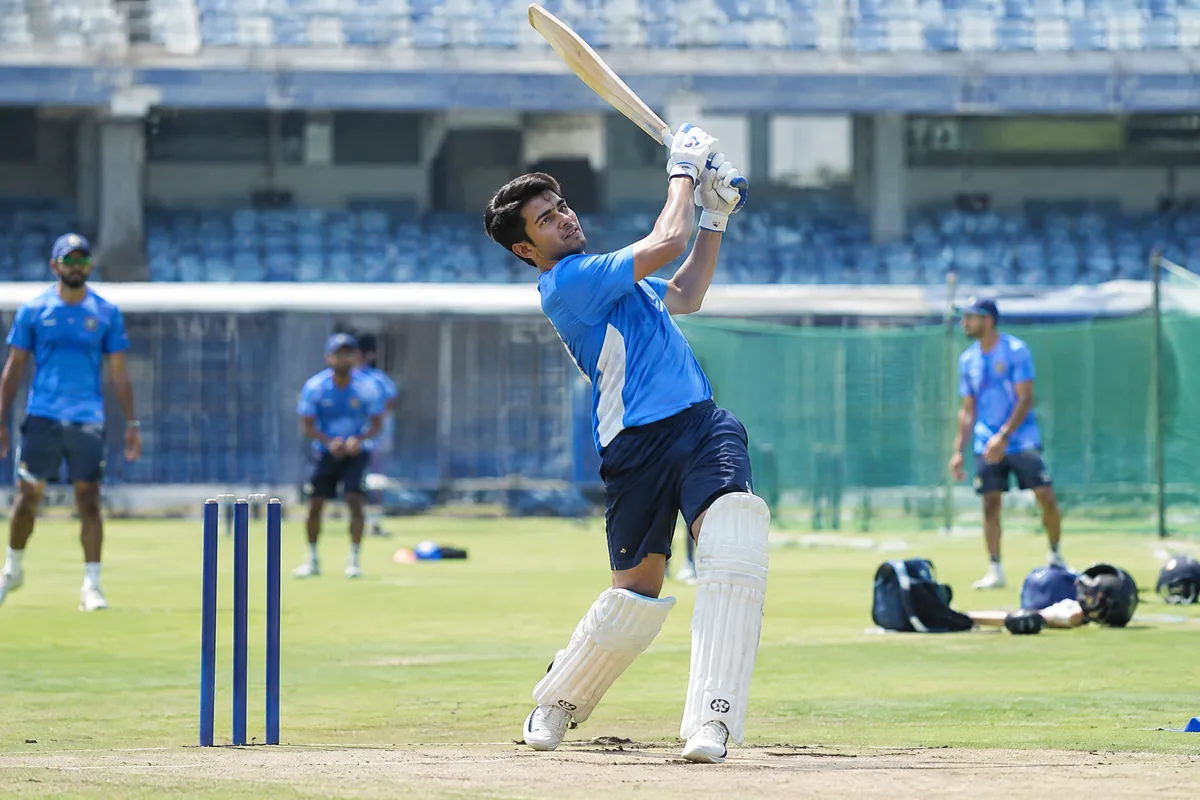
- State teams provide the repeated, varied competition in which young players learn to perform consistently.
- Development increasingly combines cricket skills with fitness, fielding, workload awareness and informed feedback.
- A strong pathway needs patience and consistent investment across associations, not just one-off talent camps.
The state system is the real proving ground
For many Indian cricketers, the route to higher honours begins with a state association rather than a national spotlight. District trials, age-group tournaments and senior camps create a ladder in which players are tested repeatedly. That structure matters because progress is based less on one memorable performance and more on how a cricketer responds across seasons, roles and conditions.
State teams also offer something a central pathway cannot fully reproduce: local knowledge. Coaches understand pitches, weather patterns and playing cultures that shape a region’s cricket. A batter learning to manage a slow surface or a seamer adapting to a helpful morning can develop practical skills that travel well, especially when selection increasingly rewards players who solve different match situations.
Development now extends beyond the scorecard
Modern state programmes are widening their definition of development. Fitness work, workload planning, fielding practice and basic mental skills are becoming part of the weekly environment, alongside traditional net sessions. The aim is not to turn every young player into the same model, but to help each one build repeatable habits before the pressure and travel of senior cricket arrive.
The strongest systems connect age-group coaches with senior teams, allowing information to move in both directions. A teenager can receive a clearer plan for improving technique, while selectors can track whether progress survives competitive cricket. Video review and data may support those decisions, but they work best as evidence alongside direct observation, character assessment and an understanding of a player’s context.
A patient bridge to the next level
The transition from promising junior to dependable senior is rarely linear. Players may move between formats, wait for opportunities or spend a season rebuilding confidence after a difficult campaign. State teams can make that bridge more useful by giving prospects defined roles, honest feedback and enough competitive exposure to learn from mistakes without treating every failure as a verdict on their future.
This approach benefits Indian cricket beyond the headline selections. A deeper pool gives domestic competitions greater intensity and helps teams remain resilient when established players move on. The challenge is consistency: facilities, coaching quality and access to competition still vary between associations. Sustained investment in the everyday pathway, rather than occasional camps, will decide how many prospects become lasting professionals.