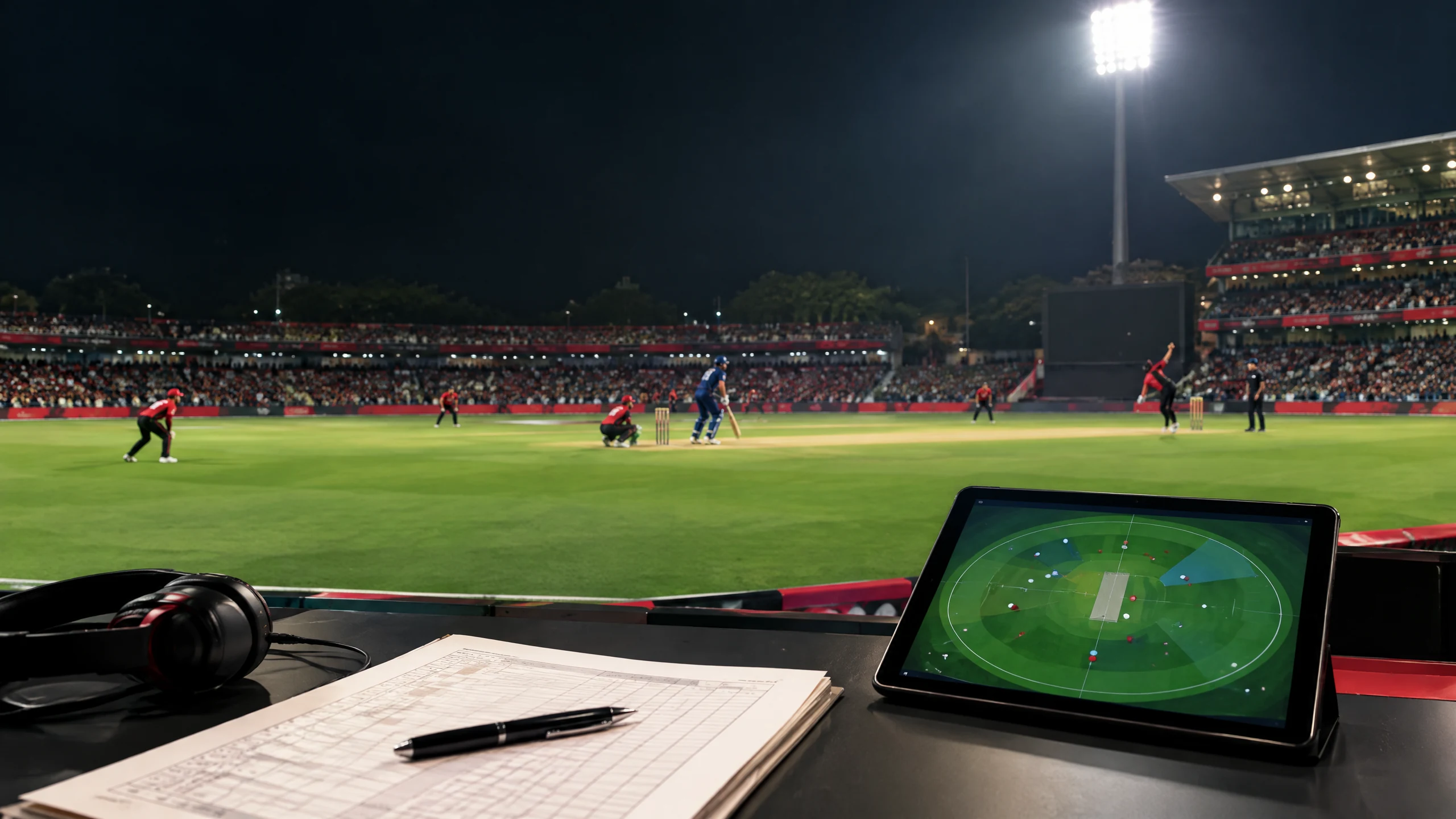
Cricket calendar: the matches to follow this week
A practical guide to reading the cricket week, from format-specific pressure points to the context that makes a fixture worth watching.
- Choose fixtures by context, not just start time or star power.
- Watch different pressure points in T20, one-day and Test cricket.
- Verify times and coverage with the relevant official listing.
How to read the week’s fixture list
A useful cricket week is rarely just a list of start times. It is a sequence of different questions: which matches carry context, which formats reward patience, and which contests may turn on one spell or partnership. The best calendar puts those clues beside the fixture, rather than treating every game as interchangeable.
For Indian audiences, the first filter is not simply whether a match begins at a convenient hour. Consider the teams involved, the tournament stage, the likely balance between batting and bowling, and whether the result could reshape a group or series. That quick scan helps viewers choose between a high-stakes limited-overs contest and a longer Test session built around patience, movement and changing conditions.
What each format asks you to watch
In a T20, the opening overs and death phase often frame the viewing experience, but the middle overs can decide whether a chase remains under control. One-day cricket asks for a broader reading: wickets in hand, scoring tempo and the value of a fifth bowler matter across fifty overs. A short fixture note should explain those pressure points, not predict a winner.
Test matches need a different clock. A quiet morning can establish a platform for a decisive afternoon, while a late burst with the second new ball may alter the match long after the headline players have settled in. Follow the pitch, weather and session context, but treat them as factors rather than guarantees; cricket’s appeal lies partly in how often plans are disrupted.
Finding the matches with real storylines
A match earns a place on the weekly watchlist when it offers more than familiar names. Rivalry, qualification pressure, a new captain, a tactical mismatch or a promising young player can each supply a reason to pay attention. The strongest previews identify that thread in plain language, giving readers a clear entry point without pretending the outcome is already written.
Use the calendar as a guide, then check the broadcaster or competition’s official listing for the latest start time and availability. Fixtures can move, coverage can differ by territory, and weather can change the shape of a day. That small verification habit keeps a weekly roundup useful while leaving room for the unpredictable moments that make cricket worth following.