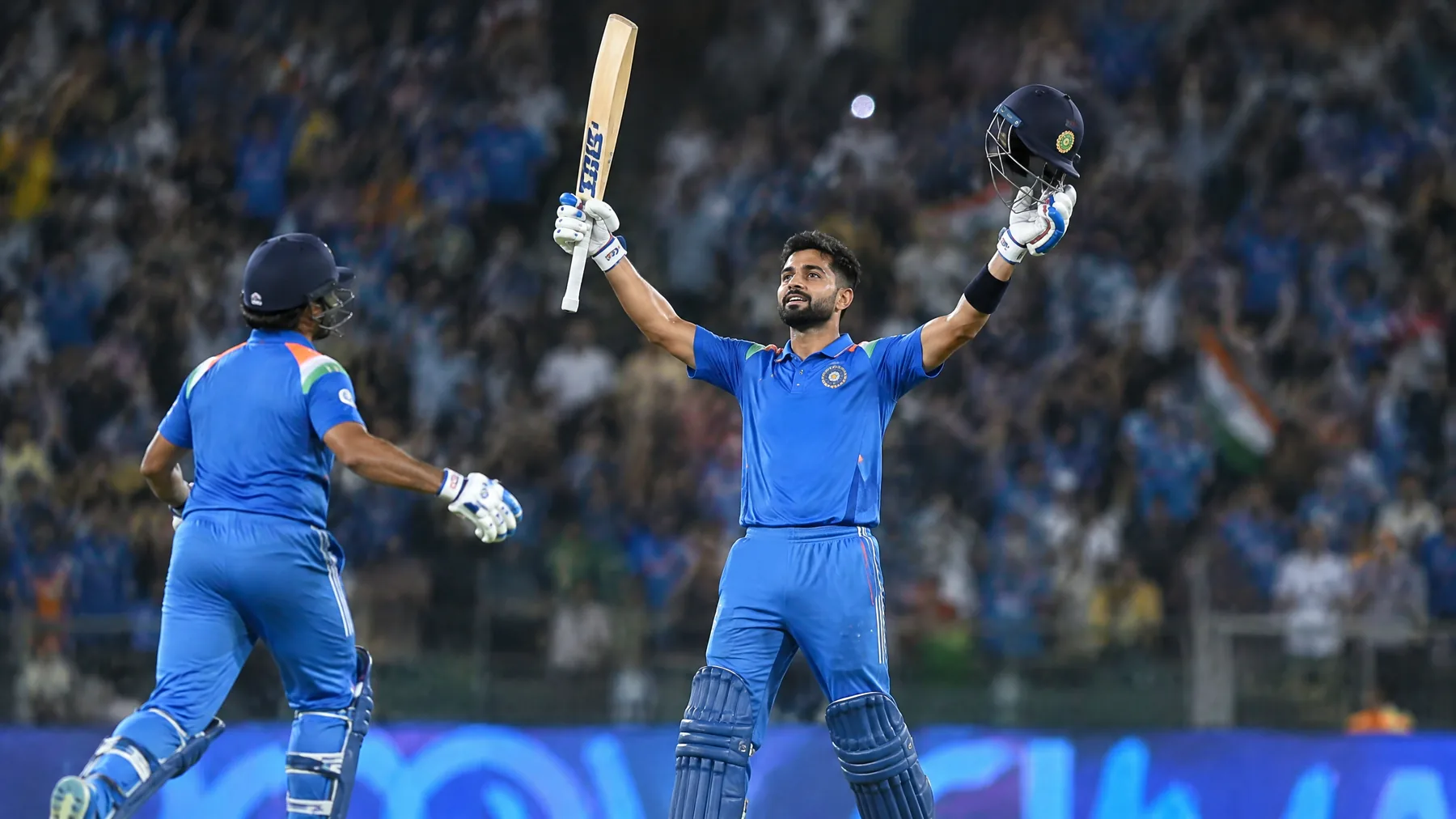
Afghanistan Beat Japan by 48 Runs as Arab Gul Takes 4 for 8
Afghanistan beat Japan by 48 runs in their Asian Games 2026 opener. Arab Gul took 4/8 as Japan were dismissed for 81 after Afghanistan posted 129/6.
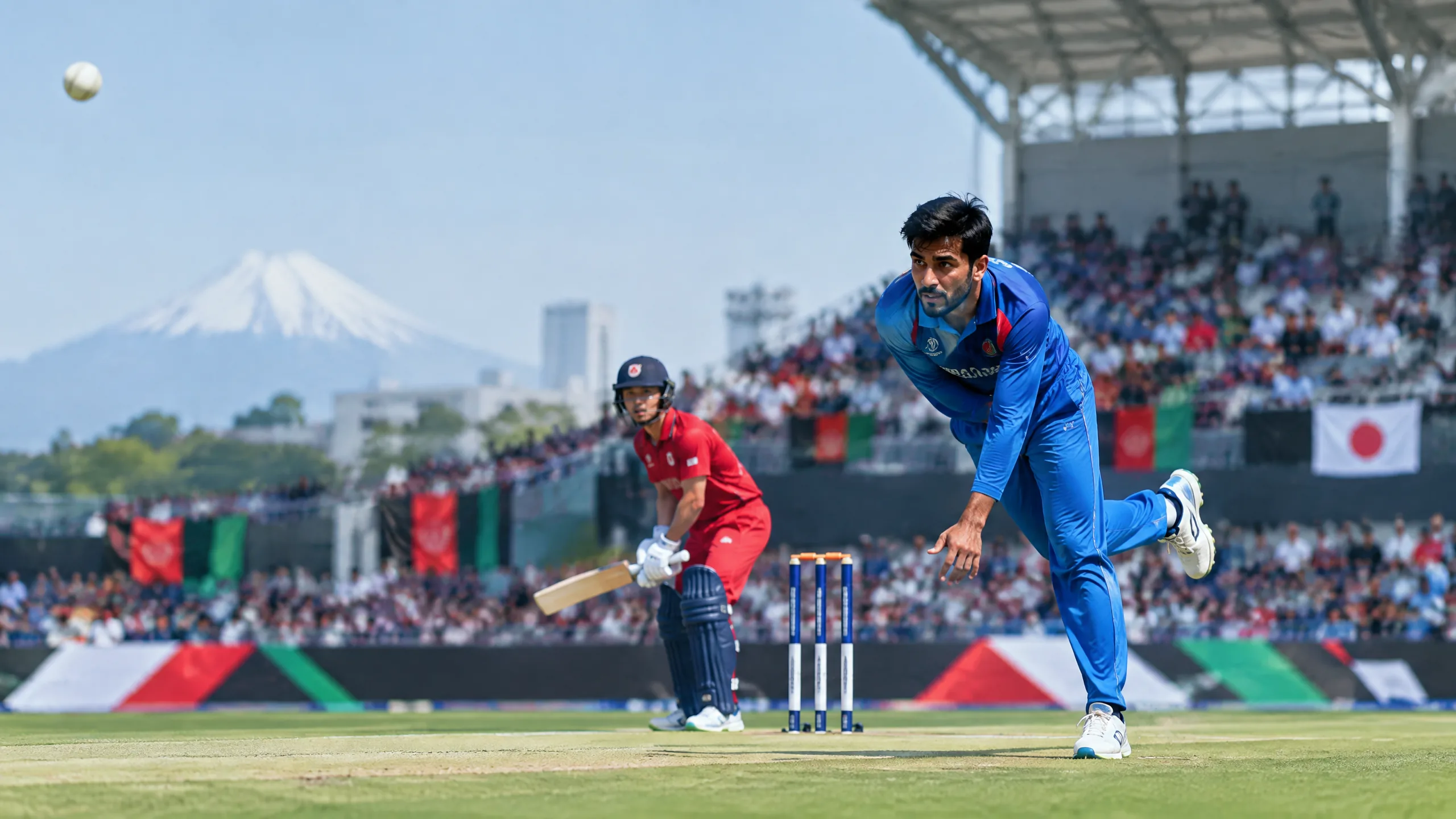
- Afghanistan beat Japan by 48 runs in the opening Group A match of the men’s Asian Games cricket competition on 24 September 2026.
- Japan, who chose to field, restricted Afghanistan to 129/6 in 20 overs before being dismissed for 81 in 19.3 overs.
- Arab Gul’s 4/8 from four overs, including two maidens, was the decisive bowling return; the ESPNcricinfo card identifies the match as his T20I debut.
- Mohammad Akram made 34 and captain Darwish Rasooli contributed 29 for Afghanistan, while Reo Sakurano-Thomas top-scored for Japan with 23.
- Afghanistan, Japan and Nepal make up Group A. The published competition format sends the top two group teams to the quarter-finals.
Afghanistan vs Japan result: Arab Gul’s 4/8 settles the opening Group A match
Afghanistan began the men’s cricket competition at the Aichi–Nagoya 2026 Asian Games with a 48-run victory over Japan at Korogi Sports Park in Nisshin. The official International Cricket Council scorecard records Afghanistan’s 129/6 from 20 overs and Japan’s 81 all out in 19.3 overs. The completed result is Afghanistan by 48 runs, not a live-score projection or a revised calculation.
Arab Gul produced the standout spell: four wickets for eight runs in four overs, with two maidens. Japan had elected to field first, leaving Afghanistan to set the target. In response, Japan needed 130 but could not recover after Gul turned a competitive chase into a sequence of wickets. The final card gives Afghanistan two points and Japan none for this Group A fixture.
The verified scorecard at a glance
The match was the first Group A fixture in the men’s Asian Games competition, listed by the ICC as an Asian Games Men’s T20I at Korogi Sports Park. Olympics.com describes the venue as Korogi Athletic Park; both sources place the match in Nisshin, Aichi, Japan. The naming variation does not alter the match record: Afghanistan made 129/6, and Japan were dismissed for 81 with three balls of their allocation unused.
For Afghanistan, Mohammad Akram’s 34 was the highest score in the innings and Darwish Rasooli made 29. Japan’s Shoma Sugaya-Slater took 2/18, an economical return that helped keep the target within reach. Japan’s reply was led by Reo Sakurano-Thomas with 23 from 24 balls, while Benjamin Ito-Davis struck 17 from eight. Those contributions were not enough to sustain the chase after Afghanistan’s bowlers took regular wickets.
How Arab Gul’s spell changed the chase
Gul’s analysis—4/8 in four overs at an economy rate of 2.00—was exceptional in the context of a target of 130. His wickets were Reo Sakurano-Thomas, Charlie Hara-Hinze, Ibrahim Takahashi and Declan Suzuki. The official card shows that he conceded only eight runs across a full four-over allocation and bowled two maidens. In a 20-over match, that combination limits both scoring options and the time available for a batting side to rebuild.
The decisive phase came after Japan had reached 60/4 in 10.3 overs. Gul removed Sakurano-Thomas at 60/5 in the next over, and Japan slipped to 60/6 by the end of it. He then accounted for Takahashi and Suzuki as the score reached 63/8 after 14 overs. That four-wicket stretch did not merely add wickets to the card; it left the lower order with too much of the target still to cover. Gul’s performance is therefore the clearest scorecard-led explanation for the 48-run margin.
Afghanistan’s 129/6: enough runs after Japan chose to field
Japan’s decision at the toss was to field first. Afghanistan’s total of 129/6 was not a runaway score, and the innings required contributions rather than one overwhelming partnership. Akram’s 34 from 29 balls led the effort, while captain Rasooli’s 29 from 27 gave the innings another stabilising contribution. The ICC and ESPNcricinfo records identify those scores as the leading Afghanistan returns.
A total is best understood alongside the chase it creates. Afghanistan had set Japan a required 130, which allowed Japan a theoretical route if they could build partnerships and protect wickets. Sugaya-Slater’s 2/18 was Japan’s best listed return in the scorecard summary and helped prevent Afghanistan from extending the total further. Yet the eventual result shows why a modest total can still be decisive when a side combines it with disciplined bowling and a sustained wicket-taking phase.
Japan’s reply: early resistance, then a sharp collapse
Japan lost Lachlan Yamamoto-Lake for nought in the first over, but Sakurano-Thomas and captain Kendel Kadowaki-Fleming helped move the score to 31/2. Ito-Davis then made a brisk 17 from eight balls. At 53/3 in 7.4 overs, Japan were still in the contest, although the required scoring rate and the loss of wickets had made the route to 130 demanding.
The innings then moved from 60/4 to 63/8 as Gul took control. Afghanistan’s support bowlers completed the job: Nangeyalia Kharote returned 3/19 from 3.3 overs, Abdollah Ahmadzai took 2/13, and Najibullah Zadran claimed 1/7. Japan were eventually all out for 81 in 19.3 overs. Sakurano-Thomas’s 23 remained their highest score, which underlines the difficulty of turning starts into the partnership needed for a successful chase.
What the result means in the Asian Games Group A format
The men’s tournament runs from 24 September to 3 October at the Nisshin venue, according to the Japan Cricket Association and Olympics.com. Afghanistan, Japan and Nepal are in Group A. The Olympic Movement’s competition guide says the top two teams from each of the two preliminary groups advance to the quarter-finals, where four seeded teams—India, Pakistan, Bangladesh and Sri Lanka—join them.
That structure gives the Afghanistan vs Japan result immediate value without making it a qualification guarantee. Afghanistan have opened with two points, while Japan have a match remaining against Nepal. Afghanistan’s next listed Group A fixture is against Nepal on 25 September, followed by Japan versus Nepal on 26 September. The final group order depends on the completed remaining group matches and the competition’s applicable table and net-run-rate calculations, not on this one result alone.
Why the scorecard matters more than a headline alone
The headline figure is Arab Gul’s 4/8, but the full scorecard clarifies its significance. His two maidens reduced Japan’s scope to accumulate low-risk runs, and his four wickets arrived during the middle of the chase, when the batting side still needed a stable partnership. Kharote’s three wickets and Ahmadzai’s two show that Afghanistan’s win was a complete bowling performance rather than a one-player result.
The scorecard also provides necessary limits on interpretation. It confirms what happened—toss, totals, overs, individual contributions and result—but it cannot by itself establish a player’s private plan, a team’s longer-term form or a future outcome. This report therefore treats Gul’s spell and Afghanistan’s early points as confirmed match facts, while leaving qualification and later results to the records created by subsequent matches.
Source record and editorial boundary
This report relies first on the official ICC match page for the final score, result, player figures and innings sequence. Olympics.com was used to confirm the published competition structure and its independent results listing. ESPNcricinfo was checked as a specialist scorecard and match-report cross-check, while the Japan Cricket Association event page confirms the host association’s published venue and fixture programme. All sources listed below were re-opened on 24 September 2026.
The Japan Cricket Association’s event page still displayed the Afghanistan–Japan fixture under an upcoming label and had not updated its standings when checked. It is consequently used here for fixture and venue context, not as the source of the completed result. The ICC scorecard is treated as definitive for the final figures. This is an explanatory match report and not an official Asian Games score service or an affiliation claim with any team, player, governing body or event organiser.
Reader guide
Article questions, answered
Short answers to common reader questions based on the reporting above.
Who won Afghanistan vs Japan at the Asian Games 2026?
Afghanistan won by 48 runs in the men’s Group A match at Korogi Sports Park in Nisshin on 24 September 2026. Afghanistan made 129/6 in 20 overs and bowled Japan out for 81 in 19.3 overs, according to the official ICC scorecard.
What were Arab Gul’s bowling figures against Japan?
Arab Gul took 4/8 from four overs, including two maidens. He dismissed Reo Sakurano-Thomas, Charlie Hara-Hinze, Ibrahim Takahashi and Declan Suzuki. The ESPNcricinfo scorecard lists the game as his T20I debut.
Who scored the most runs for Afghanistan and Japan?
Mohammad Akram top-scored for Afghanistan with 34 from 29 balls, while captain Darwish Rasooli made 29 from 27. Reo Sakurano-Thomas top-scored for Japan with 23 from 24 balls; Benjamin Ito-Davis made 17 from eight.
Did Japan win the toss in the Afghanistan vs Japan match?
Yes. Japan won the toss and elected to field first. Afghanistan then posted 129/6, setting Japan a target of 130.
Which teams are in Group A of the men’s Asian Games cricket competition?
Group A consists of Afghanistan, Japan and Nepal. Olympics.com says the top two teams in each preliminary group progress to the quarter-finals, where they are joined by four seeded teams.
Where can readers check the official Afghanistan vs Japan scorecard?
The International Cricket Council’s Afghanistan vs Japan match page is the official source used for this report and carries the completed scorecard, result, innings details and bowling figures. The URL is included in the source list below.
Sources and further reading
These references support the factual context used in this article. Links open the original publisher.
- Afghanistan vs Japan, Asian Games Men’s T20I, 2026 — Match 1International Cricket Council · accessed 24 September 2026
- Asian Games 2026 cricket scores, schedule, match results and medal winnersOlympics.com · accessed 24 September 2026
- Japan vs Afghanistan, 1st Match, Group A, Nisshin, 24 September 2026 — scorecardESPNcricinfo · accessed 24 September 2026
- 20th Asian Games Aichi-Nagoya 2026 (Men)Japan Cricket Association · accessed 24 September 2026