Reading the monsoon: what changing rain patterns mean
India’s monsoon is not simply arriving early or late; its changing rhythm is reshaping when, where and how rain falls, with consequences for farms, cities and water planning.
- Seasonal rainfall totals can hide damaging changes in timing and distribution.
- Long dry spells and intense bursts create risks for farms, reservoirs and cities.
- Local data, flexible planning and better water infrastructure can reduce monsoon vulnerability.
A monsoon is more than a seasonal total
When people ask whether the monsoon was good, they often look first at the season’s total rainfall. That number can conceal a very different reality. Rain may arrive in intense bursts, pause during crucial weeks, or miss one region while flooding another. For farmers and reservoirs, timing and distribution can matter as much as the headline total.
India’s summer rains are shaped by a large atmospheric system, but local outcomes depend on geography, land use and short-lived weather disturbances. The result is a patchwork: a wet spell along one coast, a dry interval across an interior belt, and sudden cloudbursts near hills. Reading that pattern requires looking beyond a single national average or forecast headline.
Why changing patterns matter
A longer dry spell between heavy showers can strain rain-fed crops even when the season ends near its usual average. Seeds may be sown after an early shower, only to face moisture stress later; intense downpours can then run off hard ground rather than replenish fields. These swings complicate decisions about planting, irrigation, storage and crop choice.
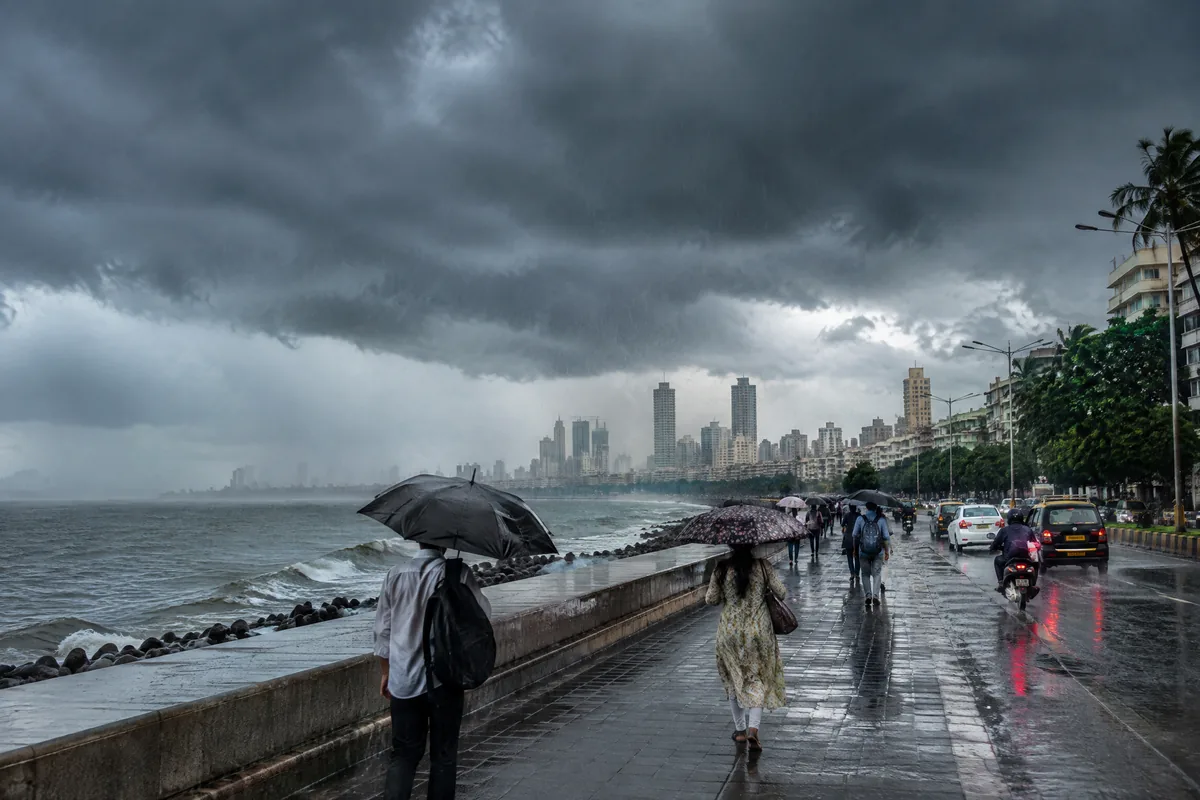
Cities face a parallel challenge. Dense construction leaves less open ground to absorb water, while drains designed for older rainfall patterns can be overwhelmed by short, intense storms. At the same time, a delayed or uneven monsoon can tighten water supplies. The practical lesson is not that every shower is becoming extreme, but that variability makes preparedness more important.
Planning for uncertainty
Better monsoon planning starts with information at useful scales. District-level rainfall updates, soil moisture observations and reservoir data can help communities distinguish a temporary pause from a broader seasonal shift. Farmers, local governments and water managers also benefit when forecasts are paired with clear guidance on what action is sensible, rather than presented as certainty.
Adaptation is built from many ordinary measures: protecting wetlands and drainage paths, improving rainwater storage, maintaining canals, and choosing planting schedules that allow flexibility. None removes the monsoon’s uncertainty. Together, however, they reduce the cost of being surprised. The central question is shifting from whether the rains are normal to whether systems are ready for uneven rains.