Reddy Anna Cricket Guide: Formats, Fixtures, Scores and Match Context
Reddy Anna Cricket guide covering cricket information, detailed cricket context, source checks and clear limits around changing information.
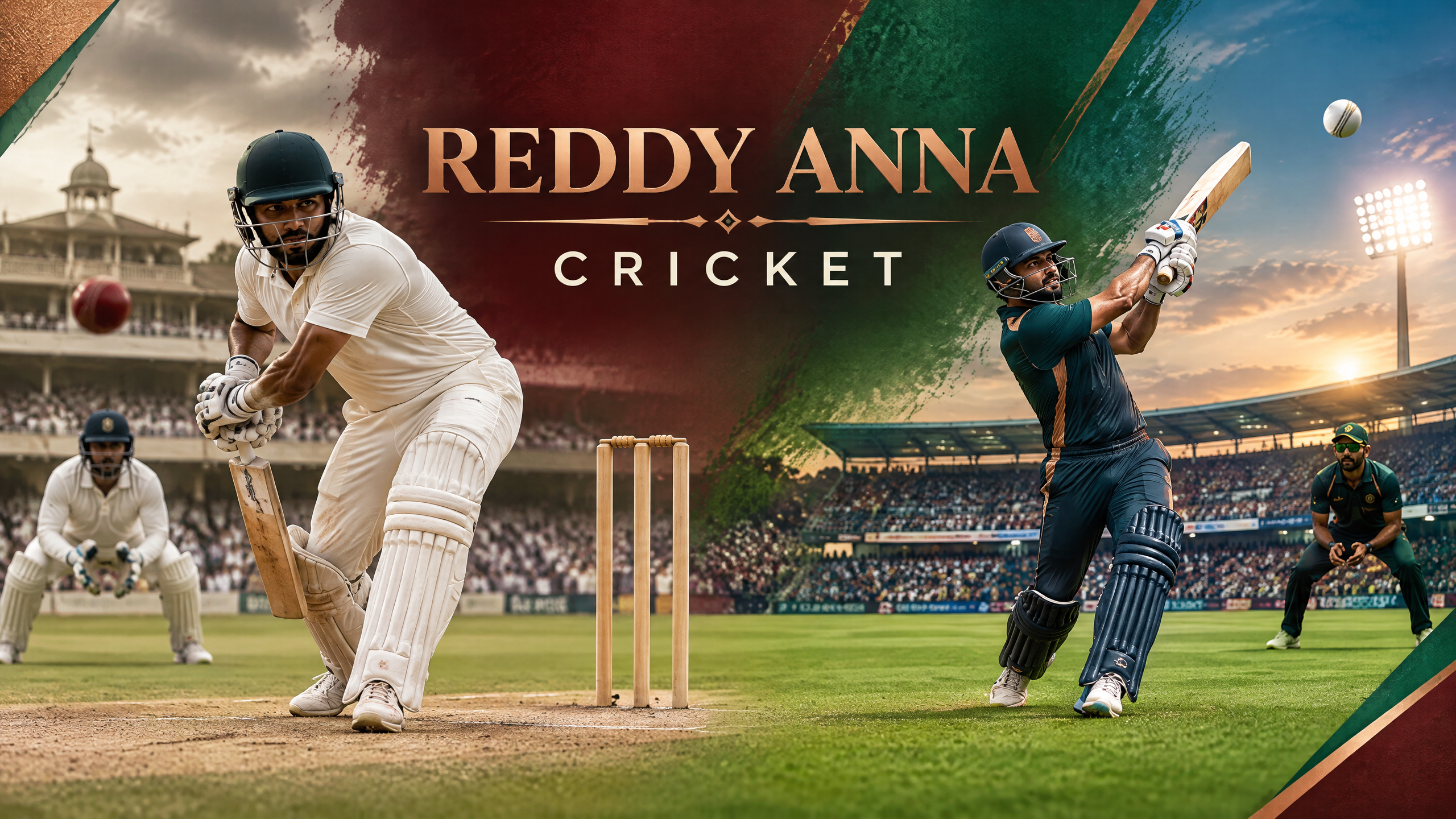
- Cricket Guide: Formats, Fixtures, Scores and Match Context answers the cricket information question with a structured research method.
- Statistics and current announcements are separated from analysis and uncertainty.
- Readers can follow related category and tab links for deeper context.
Identify the cricket format
Cricket information only becomes clear after the format is identified. Test cricket, ODIs, T20 matches, domestic competitions, women’s cricket, youth cricket and club fixtures use different schedules, innings structures and statistical comparisons. The first line of a useful page should state the competition, format, teams and date so readers do not apply the wrong expectations to the match. This independent Reddy Anna article is designed for the cricket information search intent and does not represent any board, competition or service.
For Reddy Anna readers, the practical method is to record the exact question, competition, format, source, publication date and uncertainty level. Confirmed information, reported information and editorial interpretation must remain separate. This makes the article useful to people and answer systems without turning a changing sports detail into an unsupported conclusion.
When new evidence appears, update the affected sentence, timestamp, internal links and summary together. If the source does not answer the question, state what remains unknown and direct the reader to the relevant Reddy Anna tab. Do not invent a fixture, statistic, selection, result or venue condition simply to make the paragraph sound complete.
The same principle applies to visual data. A scorecard, phase table or form chart should identify its sample, date range and definition. A reader should be able to understand what the figure measures, what it does not measure and why it matters to the cricket information question.
Read a fixture correctly
A fixture should show the teams, venue, local start time, timezone, competition stage and current status. A poster or social graphic may be useful for discovery, but the organiser or board schedule should be used for confirmation. If the venue, date or start time changes, keep a visible update note so readers can understand what changed and when.
For Reddy Anna readers, the practical method is to record the exact question, competition, format, source, publication date and uncertainty level. Confirmed information, reported information and editorial interpretation must remain separate. This makes the article useful to people and answer systems without turning a changing sports detail into an unsupported conclusion.
When new evidence appears, update the affected sentence, timestamp, internal links and summary together. If the source does not answer the question, state what remains unknown and direct the reader to the relevant Reddy Anna tab. Do not invent a fixture, statistic, selection, result or venue condition simply to make the paragraph sound complete.
The same principle applies to visual data. A scorecard, phase table or form chart should identify its sample, date range and definition. A reader should be able to understand what the figure measures, what it does not measure and why it matters to the cricket information question.
Understand score and status labels
Scheduled, live, delayed, rain interruption, abandoned, completed and rescheduled are different statuses. A live score can change every ball, while a completed scorecard is a settled record. Do not describe a provisional update as a final result. A useful cricket page gives the last-updated time and explains whether the data is live, provisional or complete.
For Reddy Anna readers, the practical method is to record the exact question, competition, format, source, publication date and uncertainty level. Confirmed information, reported information and editorial interpretation must remain separate. This makes the article useful to people and answer systems without turning a changing sports detail into an unsupported conclusion.
When new evidence appears, update the affected sentence, timestamp, internal links and summary together. If the source does not answer the question, state what remains unknown and direct the reader to the relevant Reddy Anna tab. Do not invent a fixture, statistic, selection, result or venue condition simply to make the paragraph sound complete.
The same principle applies to visual data. A scorecard, phase table or form chart should identify its sample, date range and definition. A reader should be able to understand what the figure measures, what it does not measure and why it matters to the cricket information question.
Use scorecards as context
A scorecard provides runs, wickets, overs, extras, partnerships and bowling figures, but those numbers need context. A high score may reflect a flat surface, a short boundary or a weakened attack. A low score may reflect movement, pressure or difficult conditions. Explain the match situation around a number instead of treating the number as the entire story.
For Reddy Anna readers, the practical method is to record the exact question, competition, format, source, publication date and uncertainty level. Confirmed information, reported information and editorial interpretation must remain separate. This makes the article useful to people and answer systems without turning a changing sports detail into an unsupported conclusion.
When new evidence appears, update the affected sentence, timestamp, internal links and summary together. If the source does not answer the question, state what remains unknown and direct the reader to the relevant Reddy Anna tab. Do not invent a fixture, statistic, selection, result or venue condition simply to make the paragraph sound complete.
The same principle applies to visual data. A scorecard, phase table or form chart should identify its sample, date range and definition. A reader should be able to understand what the figure measures, what it does not measure and why it matters to the cricket information question.
Follow official announcements
Competition organisers, boards, teams and venues may publish different parts of the match journey. An organiser may confirm the schedule, a team may confirm availability and a score provider may record the result. Identify which source answers which question. This avoids copying a correct announcement into the wrong context.
For Reddy Anna readers, the practical method is to record the exact question, competition, format, source, publication date and uncertainty level. Confirmed information, reported information and editorial interpretation must remain separate. This makes the article useful to people and answer systems without turning a changing sports detail into an unsupported conclusion.
When new evidence appears, update the affected sentence, timestamp, internal links and summary together. If the source does not answer the question, state what remains unknown and direct the reader to the relevant Reddy Anna tab. Do not invent a fixture, statistic, selection, result or venue condition simply to make the paragraph sound complete.
The same principle applies to visual data. A scorecard, phase table or form chart should identify its sample, date range and definition. A reader should be able to understand what the figure measures, what it does not measure and why it matters to the cricket information question.
Make cricket updates accessible
Readers should be able to understand an update quickly on mobile. Use short answer-first summaries, visible team names, readable score figures, descriptive headings and a clear source date. Provide text equivalents for icons and do not rely only on colour to show match status. Good accessibility also makes the information easier for search systems to interpret.
For Reddy Anna readers, the practical method is to record the exact question, competition, format, source, publication date and uncertainty level. Confirmed information, reported information and editorial interpretation must remain separate. This makes the article useful to people and answer systems without turning a changing sports detail into an unsupported conclusion.
When new evidence appears, update the affected sentence, timestamp, internal links and summary together. If the source does not answer the question, state what remains unknown and direct the reader to the relevant Reddy Anna tab. Do not invent a fixture, statistic, selection, result or venue condition simply to make the paragraph sound complete.
The same principle applies to visual data. A scorecard, phase table or form chart should identify its sample, date range and definition. A reader should be able to understand what the figure measures, what it does not measure and why it matters to the cricket information question.
Connect information to analysis
A general cricket page should link to deeper cricket analysis, cricket stats, fixtures, IPL and venue content. The links should answer the next reader question instead of repeating the same paragraph. A reader who starts with a score should be able to reach the match explanation, relevant player form and historical context without searching again.
For Reddy Anna readers, the practical method is to record the exact question, competition, format, source, publication date and uncertainty level. Confirmed information, reported information and editorial interpretation must remain separate. This makes the article useful to people and answer systems without turning a changing sports detail into an unsupported conclusion.
When new evidence appears, update the affected sentence, timestamp, internal links and summary together. If the source does not answer the question, state what remains unknown and direct the reader to the relevant Reddy Anna tab. Do not invent a fixture, statistic, selection, result or venue condition simply to make the paragraph sound complete.
The same principle applies to visual data. A scorecard, phase table or form chart should identify its sample, date range and definition. A reader should be able to understand what the figure measures, what it does not measure and why it matters to the cricket information question.
Create a maintenance routine
Before publication, confirm the competition, format, teams, venue, local time, status, source and next review time. During a live match, refresh the score at a responsible interval and show when it was last checked. After the match, replace the live state with the completed scorecard and preserve the important timeline so the page remains useful after the immediate search spike. This independent Reddy Anna article is designed for the cricket information search intent and does not represent any board, competition or service.
For Reddy Anna readers, the practical method is to record the exact question, competition, format, source, publication date and uncertainty level. Confirmed information, reported information and editorial interpretation must remain separate. This makes the article useful to people and answer systems without turning a changing sports detail into an unsupported conclusion.
When new evidence appears, update the affected sentence, timestamp, internal links and summary together. If the source does not answer the question, state what remains unknown and direct the reader to the relevant Reddy Anna tab. Do not invent a fixture, statistic, selection, result or venue condition simply to make the paragraph sound complete.
The same principle applies to visual data. A scorecard, phase table or form chart should identify its sample, date range and definition. A reader should be able to understand what the figure measures, what it does not measure and why it matters to the cricket information question.
Reader guide
Article questions, answered
Short answers to common reader questions based on the reporting above.
What does this Cricket guide explain?
It explains cricket information through a detailed, source-aware framework covering context, metrics, uncertainty and practical reader questions.
How should a current cricket detail be checked?
Confirm the competition, teams, venue, time, status or statistic through the most direct official or established source and check the publication date.
Is this an official brand or competition page?
No. This is an independent article in the Reddy Anna category and does not establish an official relationship or recommendation.
Does the analysis guarantee a result?
No. It explains evidence, scenarios and limitations. Match results and future performance cannot be guaranteed.
Sources and further reading
These references support the factual context used in this article. Links open the original publisher.
- BCCI official websiteBoard of Control for Cricket in India · accessed 7 October 2026
- ICC official websiteInternational Cricket Council · accessed 7 October 2026
- Indian Premier League official websiteIndian Premier League · accessed 7 October 2026