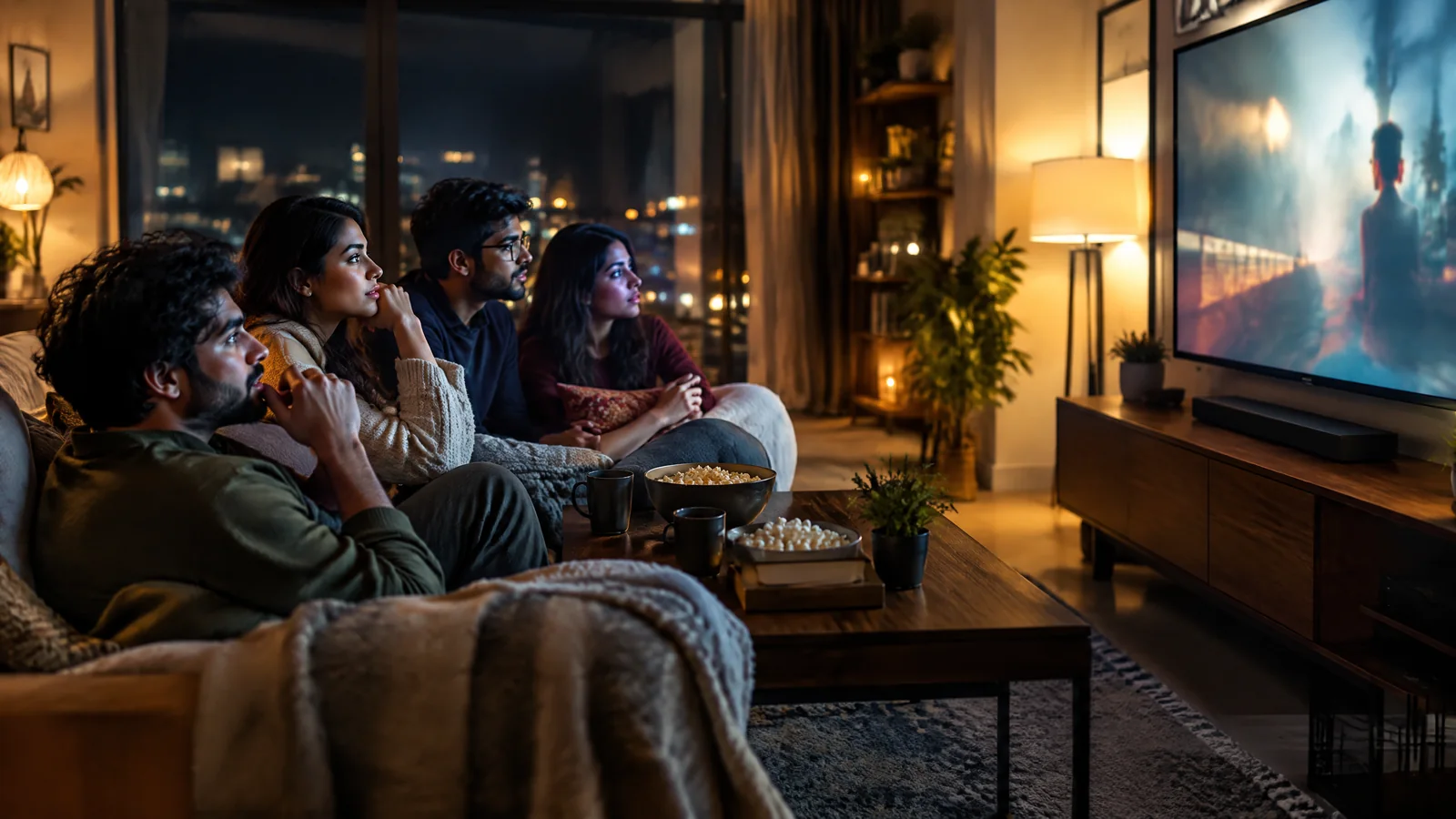
Fresh voices are reshaping the new season of Indian cinema
A new generation of Indian filmmakers, performers and writers is widening the language of mainstream cinema through intimate stories, regional confidence and flexible forms.

- Emerging filmmakers are favouring specific, lived-in stories over formula alone.
- Regional languages, landscapes and cultural detail are becoming sources of wider cinematic reach.
- Lasting change depends on better support across development, distribution and audience discovery.
Stories are moving closer to lived experience
Indian cinema has always drawn strength from many languages and regions, but its newest energy often comes from stories that resist easy packaging. First-time directors and emerging writers are looking beyond familiar hero journeys to explore work, family, friendship, desire and uncertainty with a more observant eye. The result is cinema that feels specific without becoming inaccessible.
This shift is not simply a matter of younger artists replacing older ones. Audiences have also become more comfortable moving between theatrical releases, streaming platforms and films discovered through conversation. That wider viewing culture creates room for modestly scaled narratives, unusual protagonists and endings that trust viewers to think beyond the final scene.
Regional confidence is changing the centre
The most important change may be the growing ease with which filmmakers carry regional identity into national conversations. Dialects, local humour, music and landscapes are increasingly treated as creative advantages rather than obstacles to reach. Subtitles and dubbing help, but the deeper change is cultural: viewers are learning to meet a film on its own terms.
This does not mean every successful regional film must be remade, copied or stripped of context. Its value lies in showing that a distinctive setting can hold universal emotional stakes. When productions preserve that texture while developing strong craft, they expand the idea of what popular Indian cinema can sound, look and feel like.
The challenge is sustaining creative freedom
Fresh voices still enter an industry shaped by risk calculations, promotional habits and expectations about recognisable stars. A promising idea can be softened during development, or a carefully observed film can struggle to find visibility beside louder releases. The conversation about change therefore has to include financing, distribution, publicity and the conditions that let new talent finish ambitious work.
For viewers, supporting this new season means more than celebrating a trailer or a festival mention. It means seeking out films from different industries, reading criticism with curiosity and allowing unfamiliar rhythms to work. For the industry, the task is to treat emerging artists as long-term storytellers, not temporary trends. That is how a moment becomes a lasting movement.